
Creamy Tuna Noodle Pasta Salad

Before You Jump To The Recipe…
If you’re planning to head right to the recipe card, I recommend first reading Choosing The Right Tuna, Why I Use Shell Pasta, and Getting The Dressing Just Right below. There are also plenty of easy substitutions if you don’t like tuna, want to change the vegetables, or prefer a different cheese.
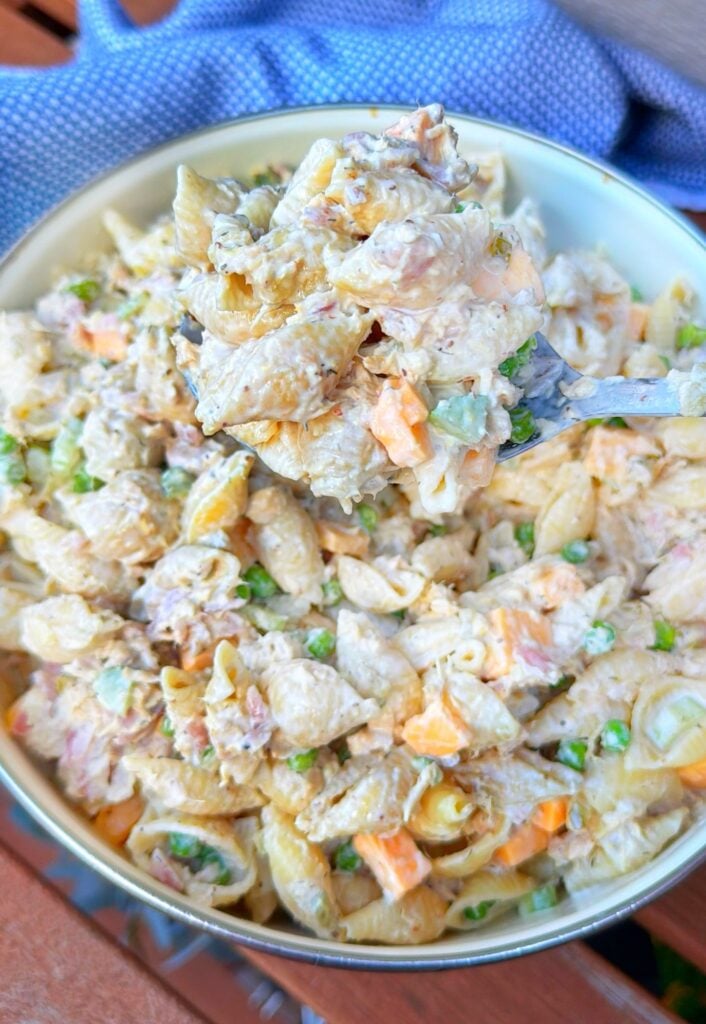
Retro Tuna Noodles for The Modern Day
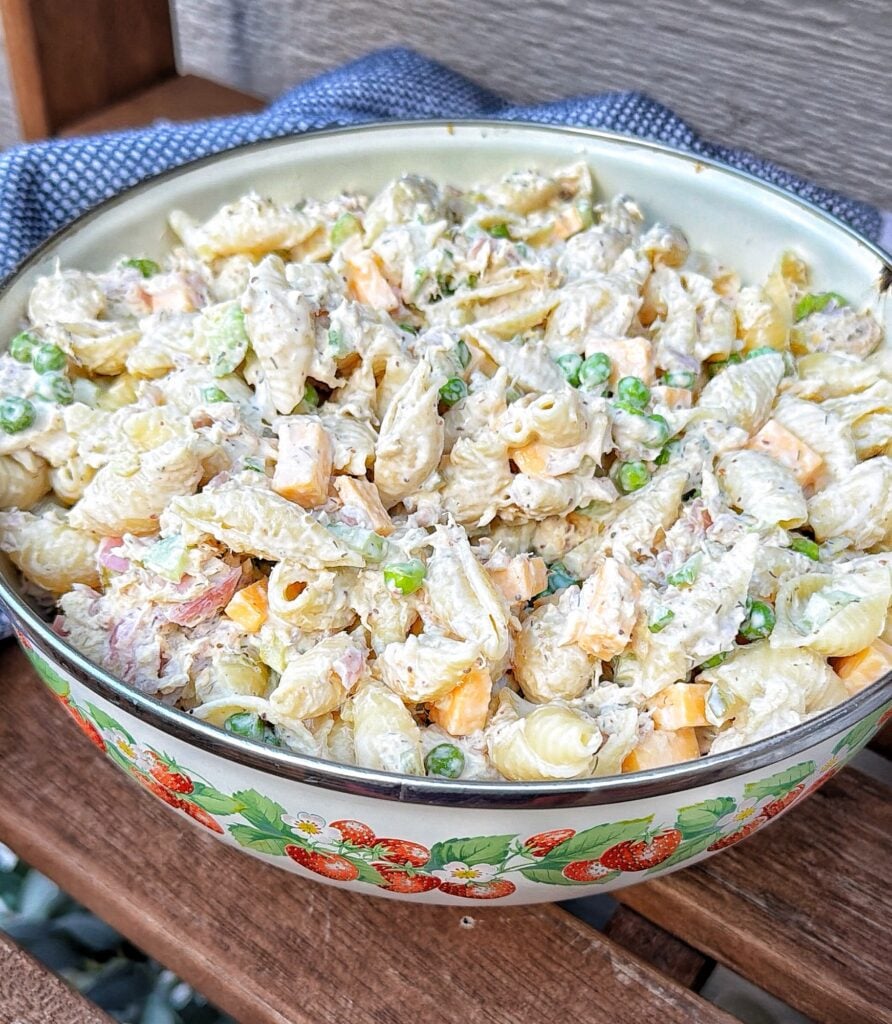
This Creamy Tuna Noodle Pasta Salad is one of those old-fashioned, filling salads that works just as well for lunch as it does for an easy dinner. Tender shell pasta, flaky tuna, celery, marinated red onion, peas, and sharp cheddar cheese are tossed in a creamy but tangy dressing made with mayonnaise, sour cream, Dijon mustard, dill, pickle relish, and the brine from the marinated onions.
The dressing is intentionally a little looser than what you might expect from a traditional macaroni or potato salad. I wanted this to have more of a creamy vinaigrette situation rather than pasta completely coated in a thick layer of mayonnaise.
The best part is that this salad actually gets better after sitting overnight. The pasta absorbs some of that flavorful dressing, the frozen peas slowly thaw and help keep everything chilled, and all those dill, celery, pickle, and onion flavors have time to get acquainted.
Serve a big scoop on its own for lunch or alongside a simple ham sandwich for one of my favorite easy meals.
An Old-School Salad With A Few Tricks
Tuna noodle salad isn’t exactly a new invention, and I don’t think it needs to be completely reinvented. What makes this version special are a few small details that make a big difference.
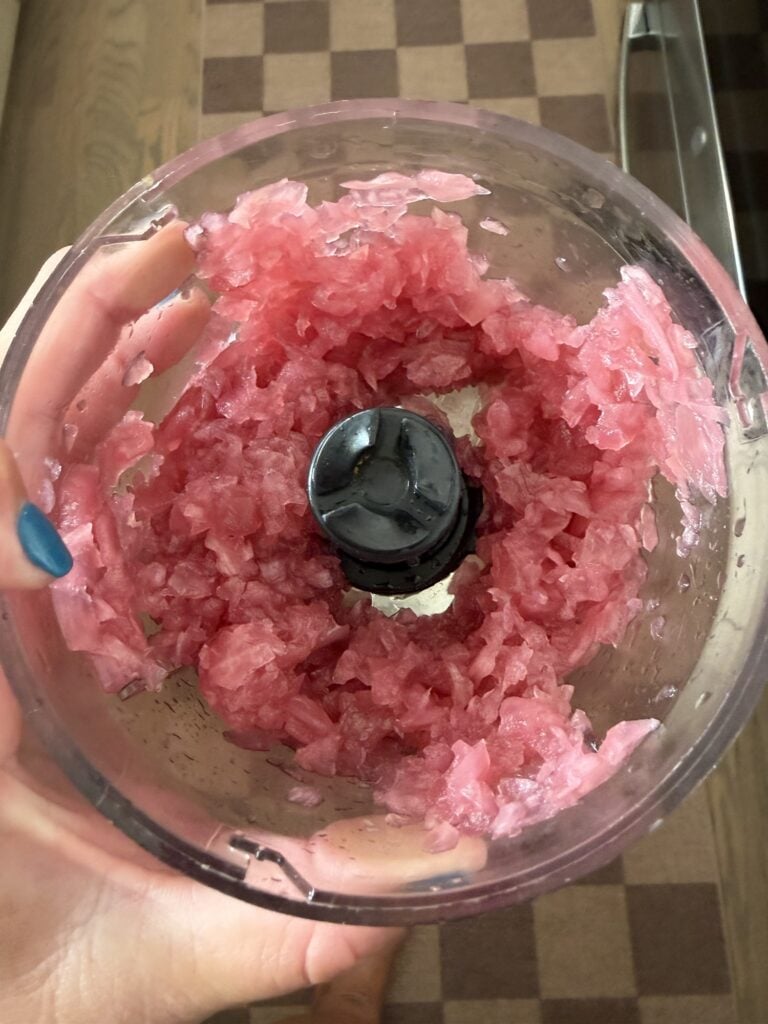
The first is using the brine from a jar of marinated red onions in the dressing. This gives the salad acidity and onion flavor without needing to add a huge amount of vinegar. I also chop the actual marinated onions extremely fine. I put mine through my food chopper until they were almost puréed so the onion flavor gets into every bite without leaving you with giant pieces of onion.
The second trick is cooking the pasta only until al dente. This salad sits overnight, and the pasta continues absorbing some of the dressing as it rests. Starting with very soft pasta can leave you with mushy tuna noodle salad the following day.
Finally, I add the cheese shortly before serving rather than letting it sit overnight. You certainly can add it earlier, but the acidic dressing can slightly change the texture of the cheese. More on that below.
Choosing The Right Tuna
There are quite a few options when you’re standing in front of the canned tuna section, and they aren’t all exactly the same.
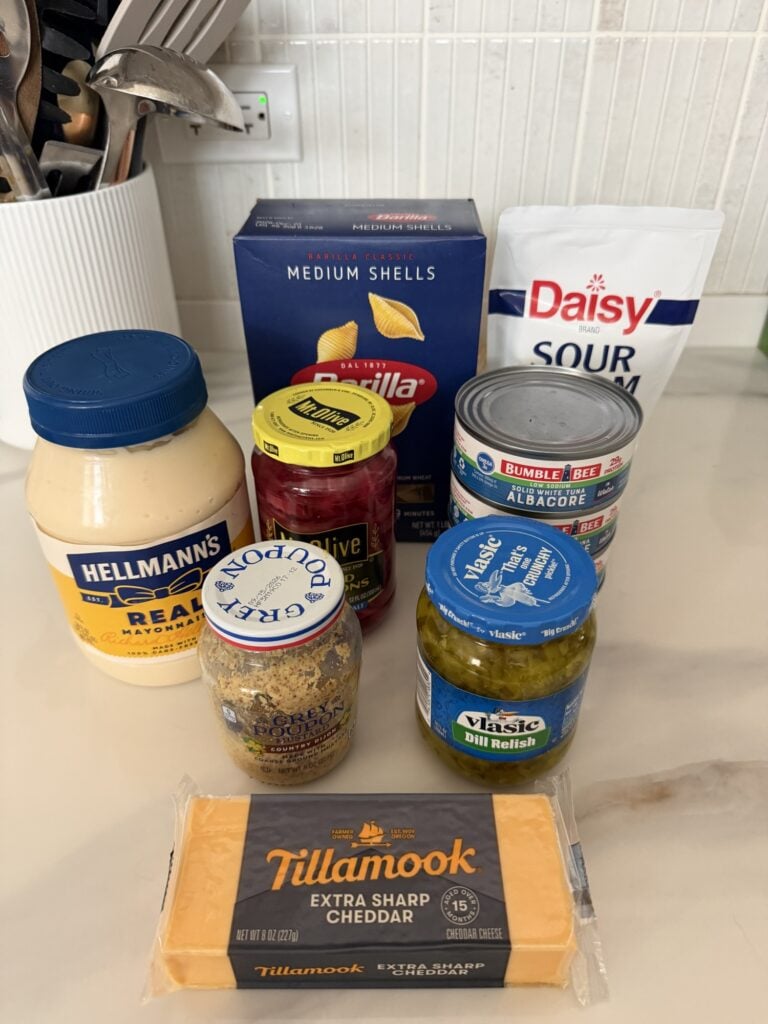
I used four cans of light white tuna packed in water for this salad. Tuna packed in water works particularly well here because we’re adding plenty of richness from the mayonnaise, sour cream, and cheese.
Chunk light tuna generally has a softer texture and stronger tuna flavor, while solid or chunk white albacore tends to have larger, firmer pieces and a milder flavor. Either will work. Use whichever type of tuna your family already likes.
You can also use more than four cans if you want a salad that’s heavier on the protein and lighter on the pasta. There is plenty of dressing here to accommodate another can of well-drained tuna.
Whatever tuna you choose, drain it extremely well.
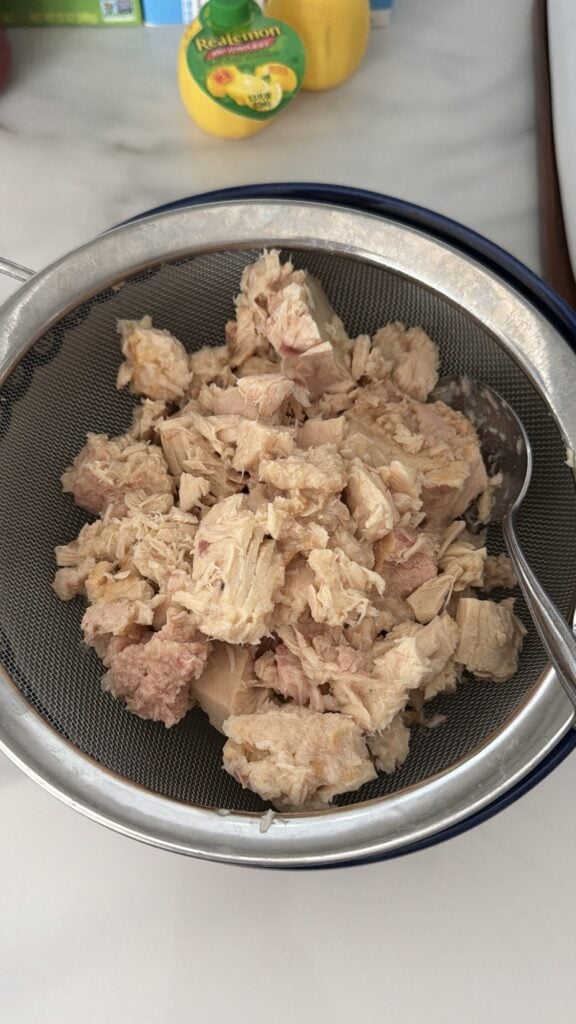
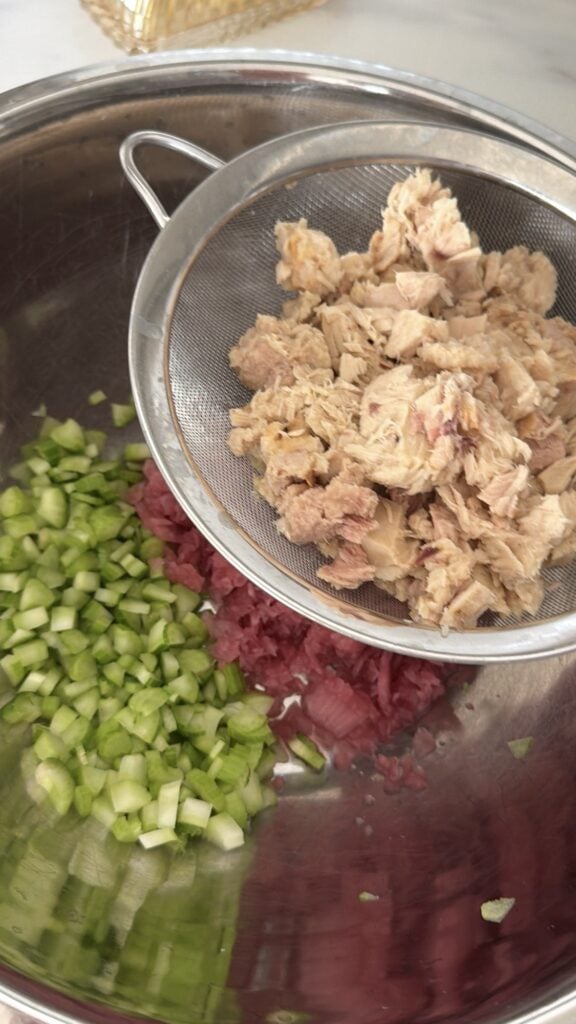
I first pressed as much water as possible out of each can over the sink. Then I transferred the tuna to a mesh strainer set over a bowl and let it drain for about 30 minutes.
After draining, gently break the tuna apart with a fork. I like having some smaller flakes throughout the salad while leaving a few decent-sized pieces so you can actually tell you’re eating tuna.
Why I Use Shell Pasta
You can technically make tuna pasta salad with just about any short pasta, but I really like shells for this recipe.
The curves and little pockets in the shells catch the creamy dressing, tiny pieces of onion, dill, and relish. Every once in a while you’ll even get a pea tucked inside one.
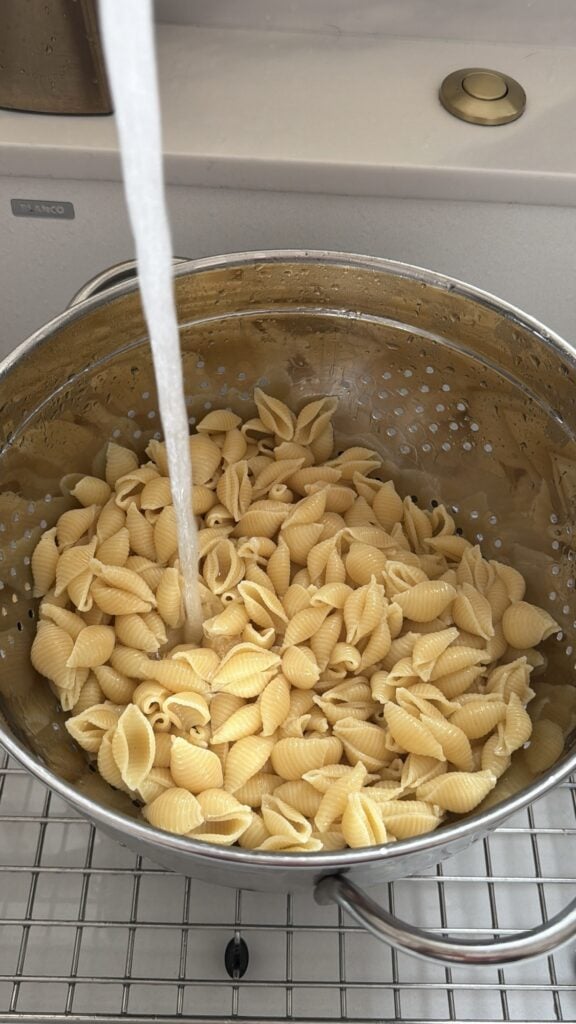
Cook one regular-size box of shell pasta according to the package directions, but stop when the pasta is just al dente.
Remember that we’re deliberately letting this salad rest overnight. The pasta will continue to soften slightly as it absorbs the dressing, so don’t overcook it at the beginning.
After draining the pasta, let it cool before combining it with the dressing.
The Marinated Red Onion Trick
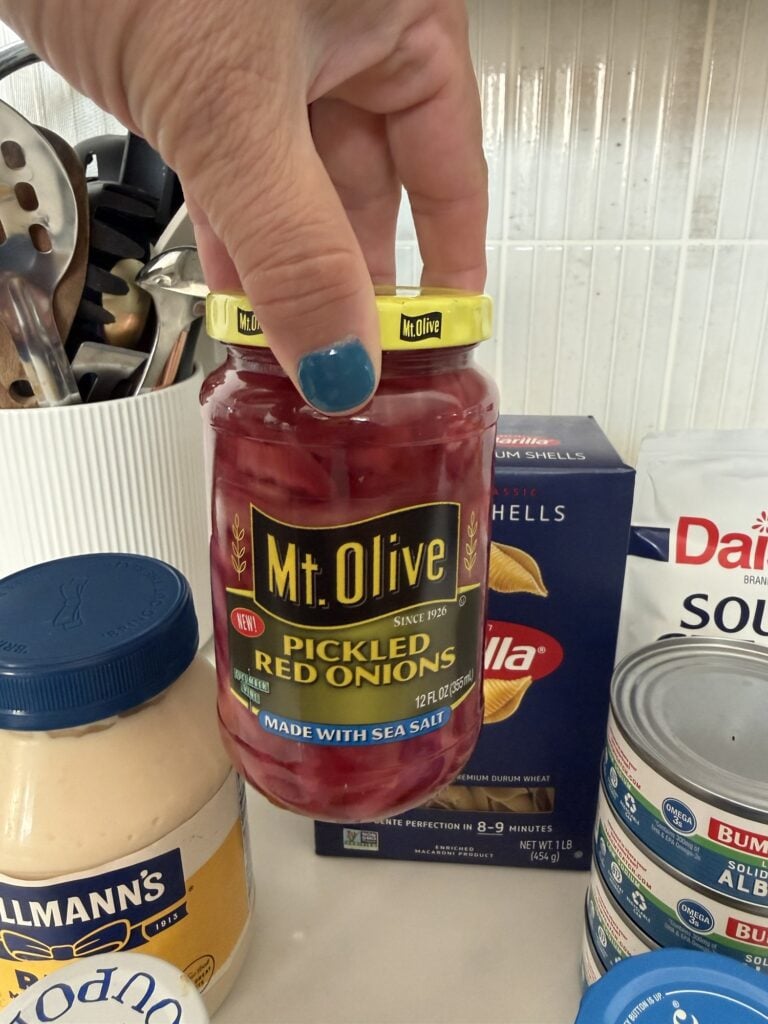
One of my favorite parts of this recipe is using a jar of Mount Olive marinated red onions.
I use both the onions AND the brine.
The onions themselves get chopped extremely fine. I actually run them through my food chopper until they’re almost puréed. This distributes the onion throughout the dressing without having large chunks overpowering the salad.
Do not throw away the liquid in that jar.
The marinated onion brine becomes the acidic component of the dressing and helps turn the mayonnaise into the thinner, creamy vinaigrette-style dressing I was looking for.
This is also why I recommend tasting the dressing before adding extra vinegar or pickle juice. Depending on the particular jar of onions and your own preference, it may already have exactly the amount of acidity you want.
Getting the Dressing Just Right
I love a creamy pasta salad. What I don’t love is when you can barely identify anything in the bowl because it’s swimming in mayonnaise.
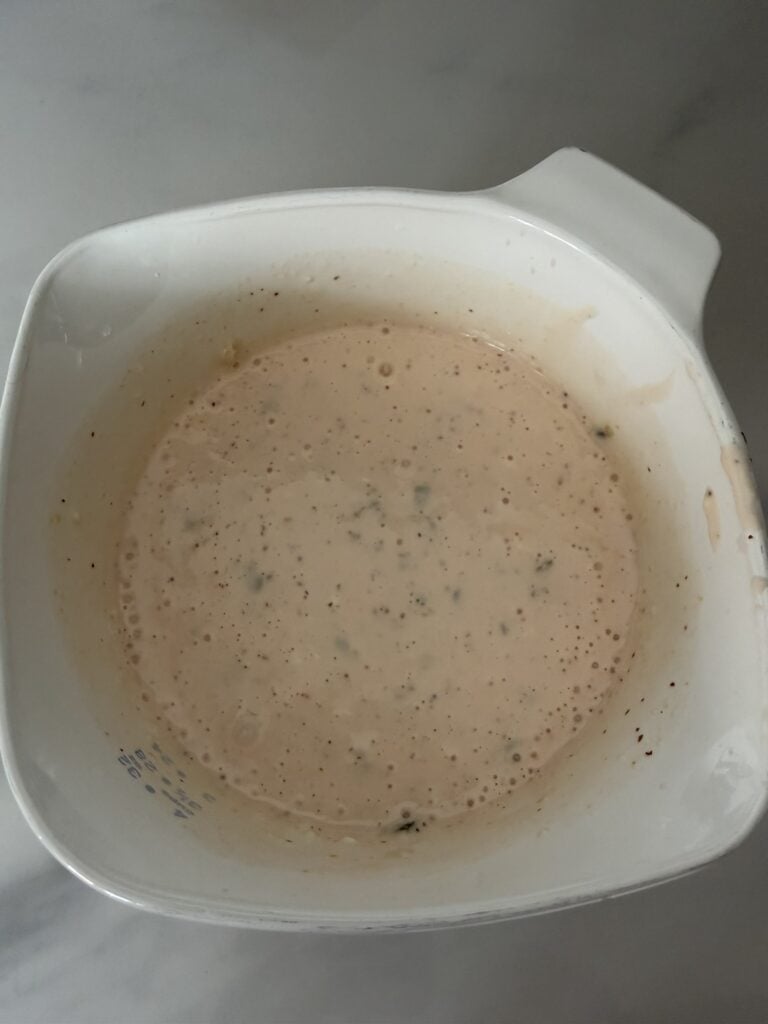
For this dressing I used about 1½ cups mayonnaise and two heaping tablespoons of sour cream. You don’t need to obsess over an exact mayonnaise measurement. Start around 1½ cups and adjust according to how creamy you like your salad.
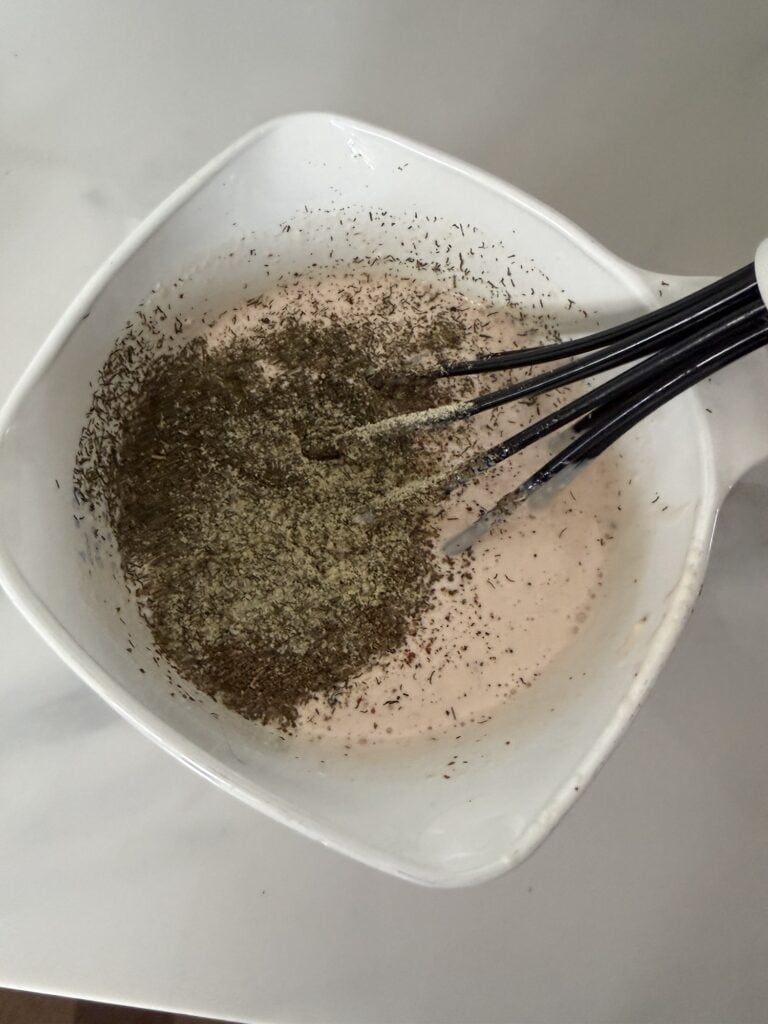
To that I add the reserved marinated onion brine, Dijon mustard, dill pickle relish, dried dill, celery seed, celery salt, and black pepper.
Whisk everything together and taste it.
Want it tangier? Add a small splash of white wine vinegar or rice vinegar.
Want more pickle flavor? Add a splash of dill pickle juice.
Want it creamier? Add another spoonful or two of mayonnaise.
This is one of those recipes where tasting the dressing is much more useful than blindly following a measurement. Remember that the flavor will mellow slightly once you’ve added an entire box of pasta, tuna, and vegetables.
Don’t Forget The Pickle Relish
I use three heaping tablespoons of dill pickle relish in this dressing. The relish adds little pops of pickle flavor without turning the entire salad into pickle pasta.
I prefer dill relish because I like this salad on the savory and tangy side.
If your family loves sweet relish in tuna salad, use sweet relish instead. This isn’t a situation where one is right and the other is wrong.
For serious pickle people, add a splash of pickle juice to the dressing as well.
Celery Seed, Celery Salt, And My Trader Joe’s Shortcut
There is both fresh celery and celery seasoning in this salad because I really like that classic celery flavor with tuna.
I use about 2 teaspoons celery seed and 2 teaspoons celery salt, but both can be adjusted to taste.
If you’re a Trader Joe’s shopper, there is another option.
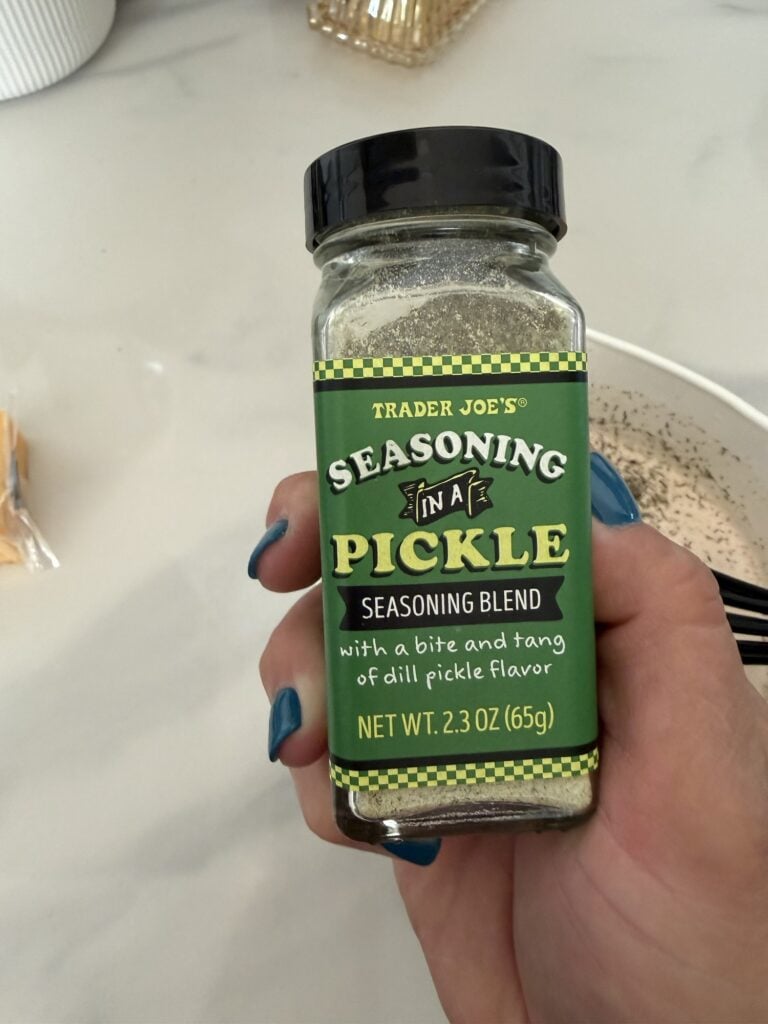
Their Seasoning in a Pickle Seasoning Blend works really well here. You can use it in place of some or all of the celery salt. It brings dill, garlic, and that salty, tangy pickle flavor that already fits perfectly with everything happening in this salad.
Because seasoning blends contain salt, start with less than you think you’ll need. Whisk, taste, and add more from there.
Let The Dressing Hang Out
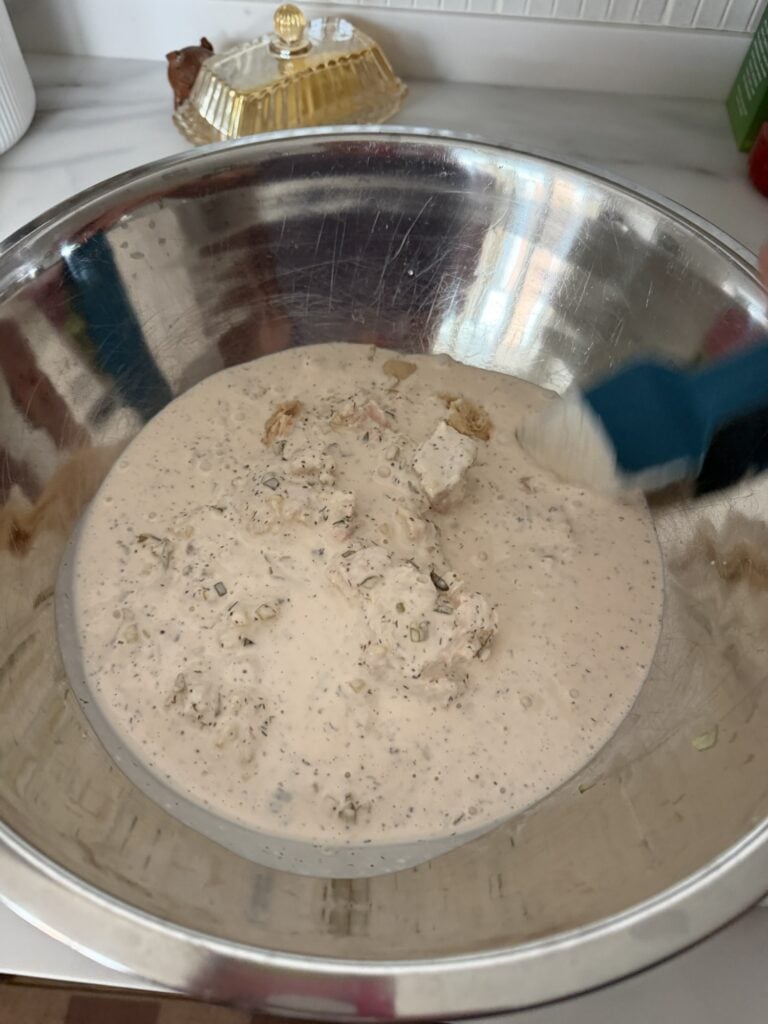
Once the dressing is mixed, I stir in the finely diced celery and those almost-puréed marinated red onions.
Then I let the dressing sit for about 30 minutes.
You don’t absolutely have to do this if you’re in a hurry, but I think it makes a difference. The dried dill and celery seed have time to hydrate, the onions flavor the dressing, and everything starts tasting like one dressing instead of eight separate ingredients.
After that rest, gently fold the drained tuna into the dressing.
The Frozen Pea Trick
I use one small bag of frozen peas, approximately 12 ounces or about 2½ cups, and I don’t bother thawing them first.
Add the frozen peas when you combine the pasta and tuna mixture.
As the salad chills overnight, the peas slowly thaw. Besides being incredibly easy, they help keep everything nice and cold while the salad initially chills.
By the next day, they’re perfectly ready to eat.
Why I Add The Cheese Last
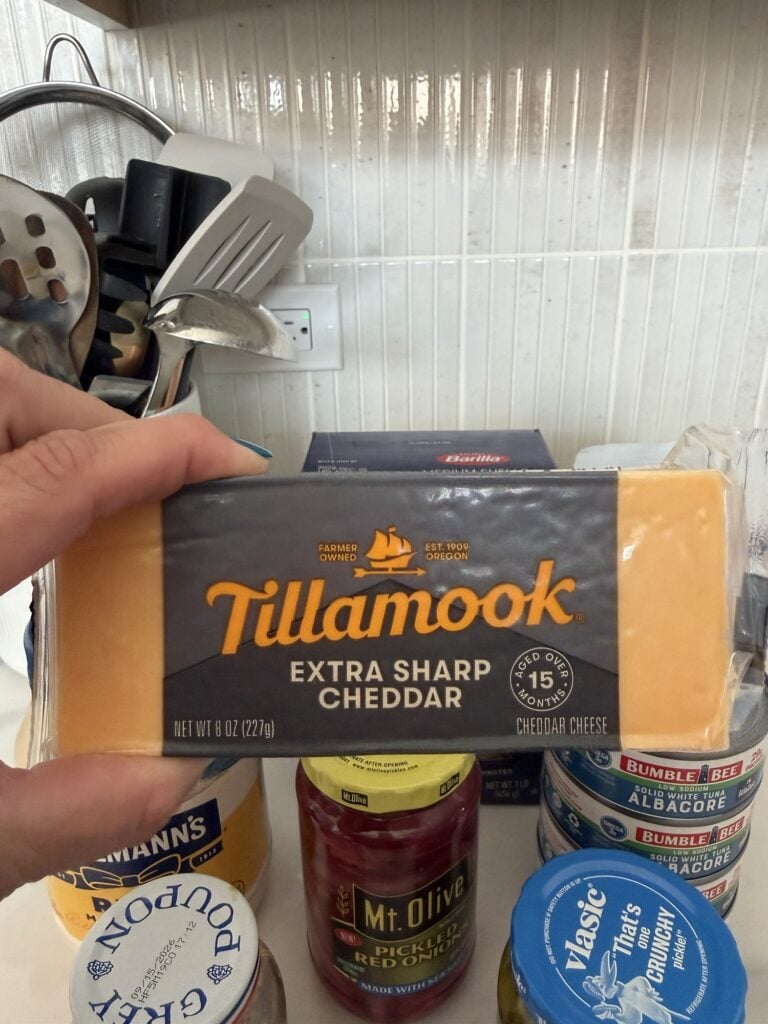
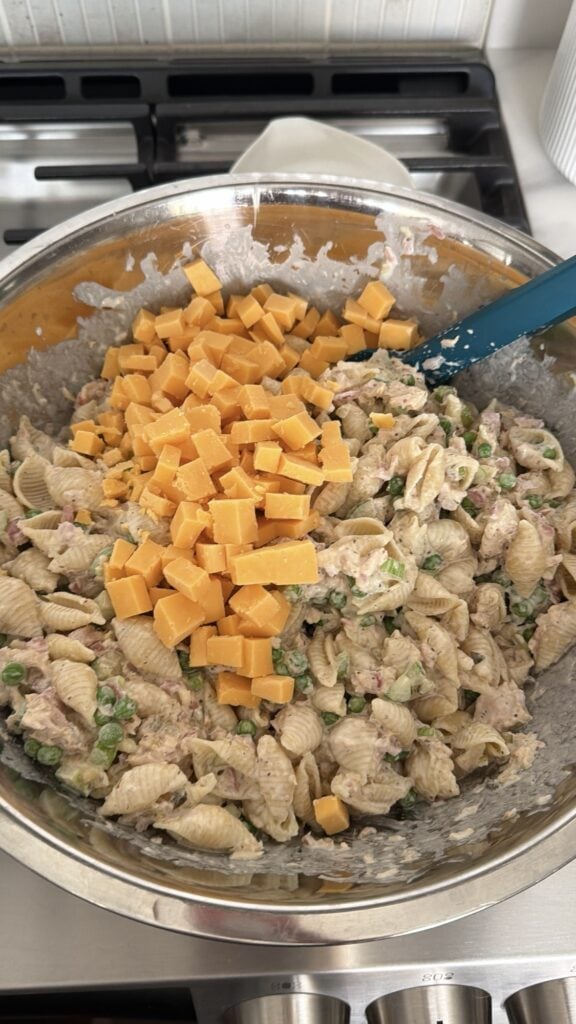
I used an 8-ounce brick of extra-sharp cheddar cheese, very finely diced.
You can absolutely stir the cheddar into the salad before refrigerating it overnight. In fact, some people may prefer it that way because the cheese picks up some of the tangy flavor from the dressing.
I prefer adding mine shortly before serving.
The vinegar and other acidic ingredients in the dressing can slightly change or “cure” the outside texture of the cheese as it sits. There’s nothing wrong with that, but I like the contrast of fresh, firm cheddar cubes against the soft pasta and creamy dressing.
Either way works.
Other Cheeses You Can Use
Extra-sharp cheddar is my favorite because tuna, dill, pickle, and sharp cheddar just make sense together, but you have options.
Try sharp white cheddar, Colby Jack, Monterey Jack, pepper Jack, or even small cubes of Swiss cheese. Pepper Jack is especially good if you want a little heat.
You could also leave the cheese out completely. There’s enough going on in this pasta salad that it won’t feel like anything is missing.
I would stick with cheese that can be cut into little cubes rather than finely shredded cheese. Cubes give the salad better texture and allow you to actually taste the cheese.
Vegetables You Can Add
This is an easy salad to customize based on what you have in the refrigerator.
Finely diced cucumber would add a fresh crunch, although I recommend removing the watery seeds from the center before chopping it. Finely diced carrots would also be great and add a little sweetness.
Other good additions include finely diced bell pepper, sliced green onions, chopped radishes, or a little finely chopped fresh parsley.
You can also add a small jar of diced pimentos. I especially like this idea if you’re serving the salad for a luncheon or gathering because the red pimentos give an otherwise very beige salad some color while adding a mild, slightly sweet pepper flavor.
Just be careful about adding too many watery vegetables. This salad is meant to last in the refrigerator, and vegetables like tomatoes can release quite a bit of liquid as they sit.
Don’t Like Tuna? Make Chicken Noodle Salad
If your family doesn’t like tuna, you can use this exact recipe to make a really good chicken noodle pasta salad.
Use chopped or shredded rotisserie chicken in place of the tuna. This is especially convenient when you have leftover rotisserie chicken that needs to be used.
Canned chicken also works. Just like the tuna, drain canned chicken extremely well before adding it to the dressing.
The dill, celery, pickle, peas, and cheddar work just as well with chicken, so you don’t need to completely change the recipe.
Make It A Little Spicier
This isn’t intended to be a spicy pasta salad, but there are several ways to wake it up.
Pepper Jack cheese is probably the easiest. You could also add diced pickled jalapeños, a little crushed red pepper, or a few dashes of your favorite hot sauce to the dressing.
For something more zesty than actually hot, add those diced pimentos and an extra splash of pickle juice.
Make It Ahead
This is absolutely a make-ahead recipe. In fact, I prefer making it the day before I plan to serve it.
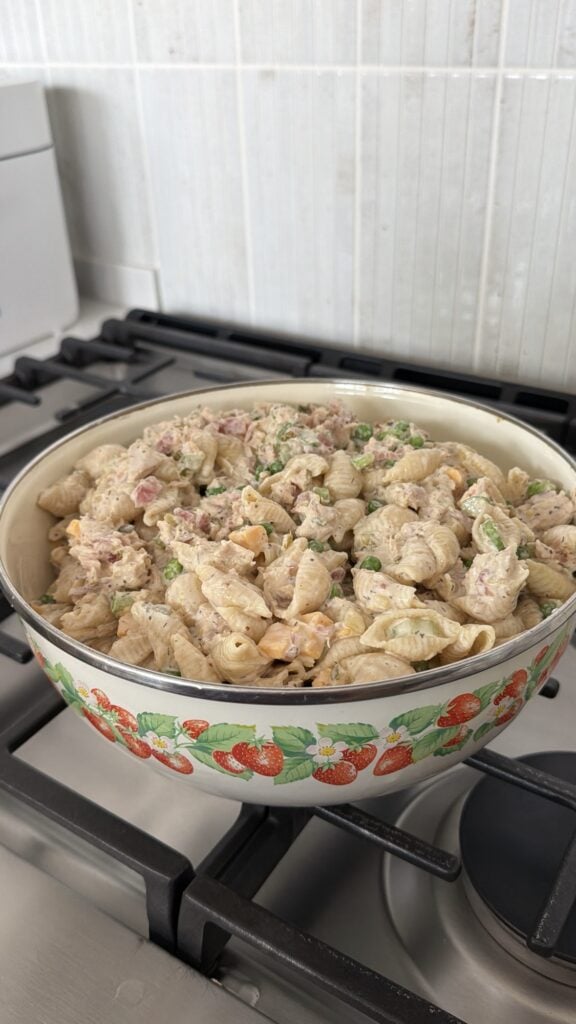
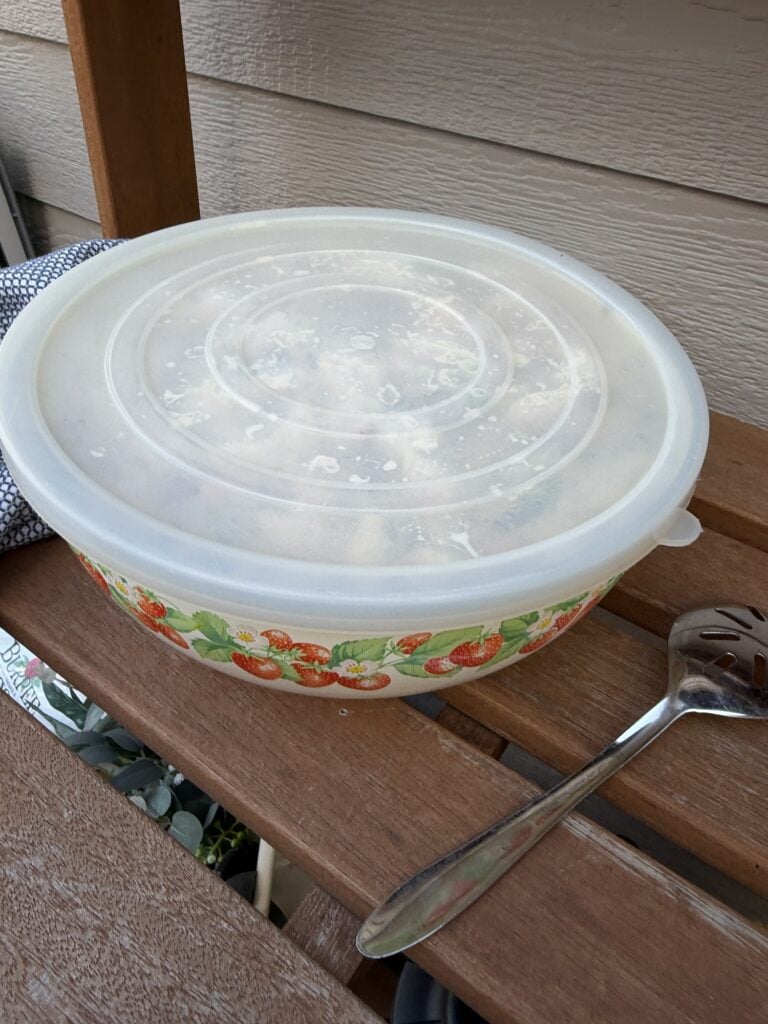
Combine everything except the cheddar cheese and refrigerate the salad overnight in a covered container.
The following day, give it a really thorough stir. The pasta will have absorbed some of the dressing, so don’t panic if it looks slightly different than it did the night before.
Taste it again.
If you’d like it creamier, fold in a little additional mayonnaise. If it needs brightness, add a tiny splash of pickle juice, white wine vinegar, or rice vinegar.
Then fold in the diced cheddar and serve.
What To Serve With Tuna Noodle Pasta Salad
Honestly, I could eat a bowl of this by itself for lunch.
It’s also really good with a simple ham sandwich, turkey sandwich, or grilled cheese. Add some potato chips and a pickle and you’ve got the kind of lunch I will happily eat all summer long.
This is also a great cold salad for a casual luncheon, potluck, or an easy dinner when it’s too hot to cook.
More Easy Lunches To Keep In The Fridge
If you like having something homemade waiting in the refrigerator for lunch, these are a few more of my favorites. Make one at the beginning of the week and you’ve already solved the “what am I eating for lunch?” problem for the next few days.
Click each image to get the recipe.
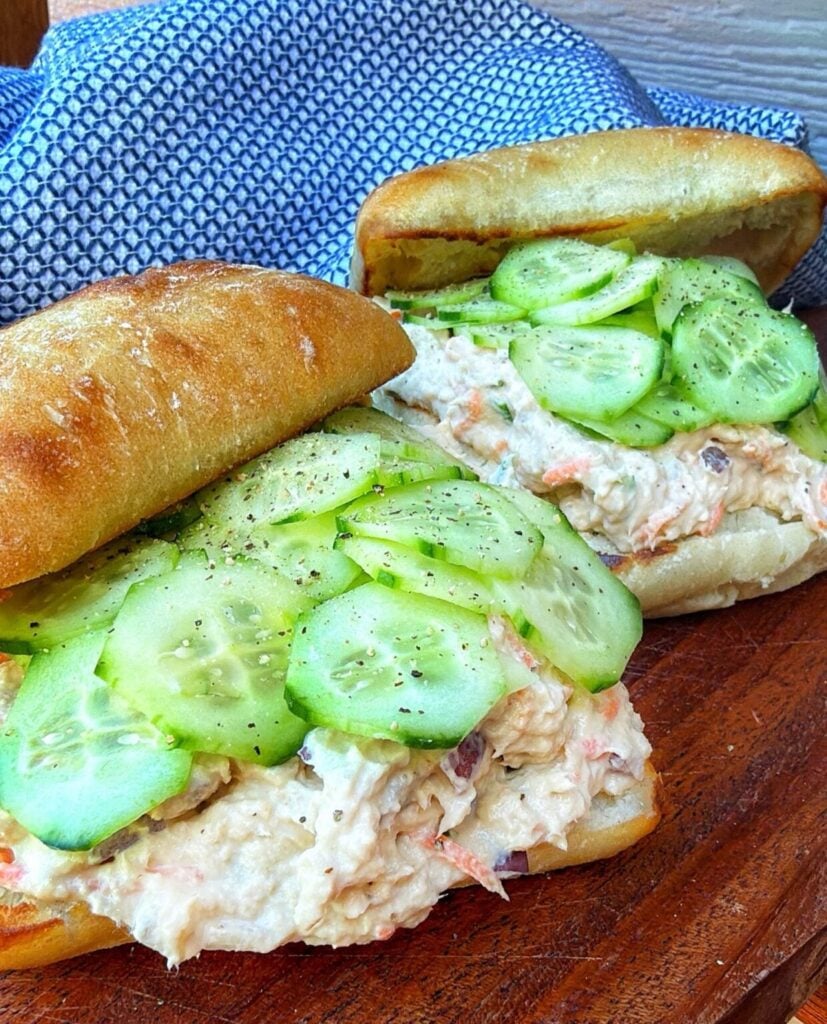
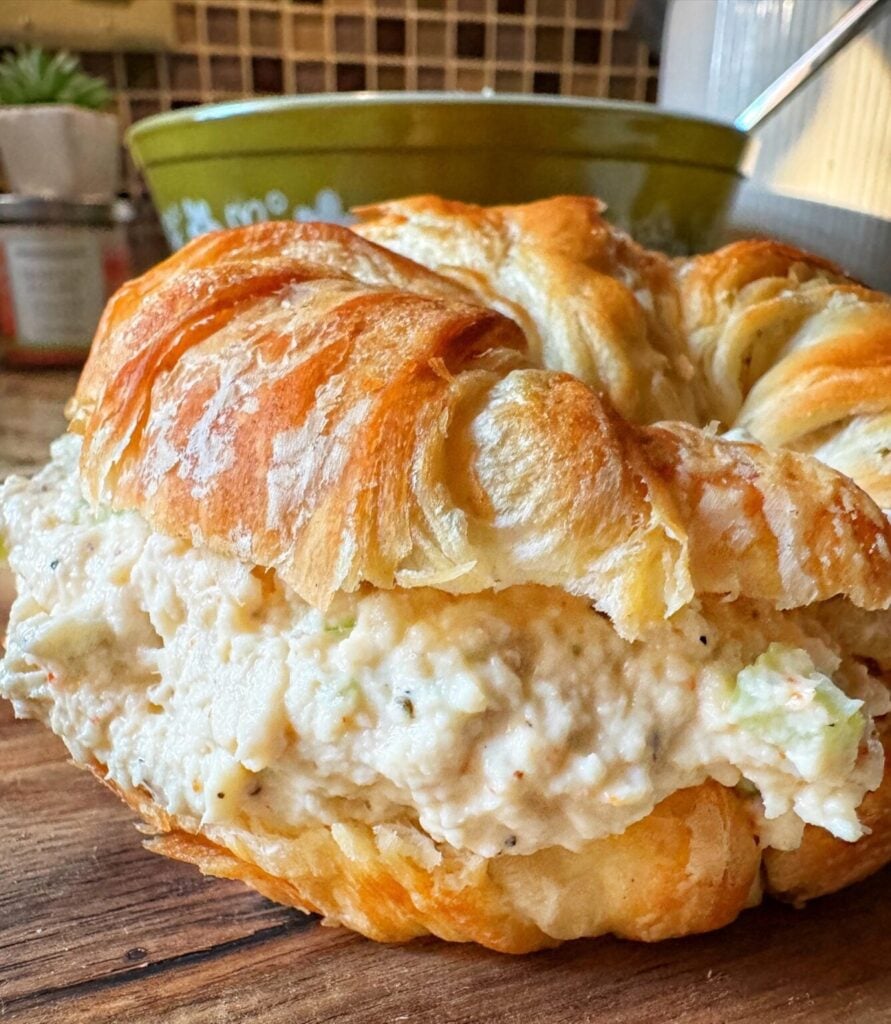
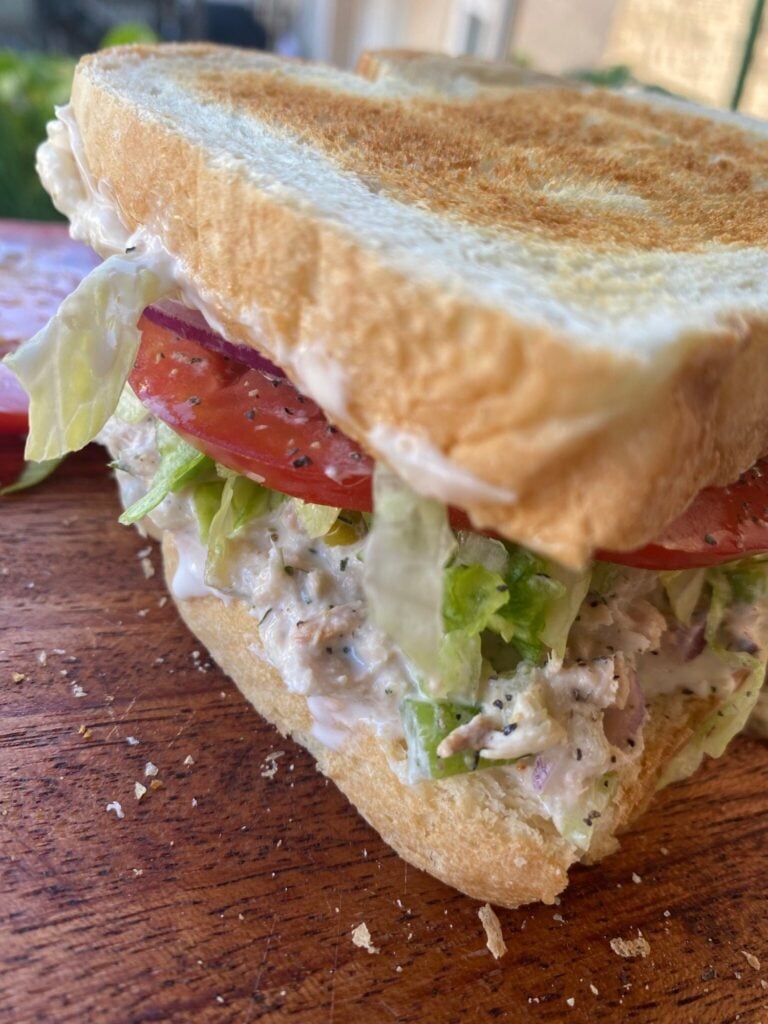
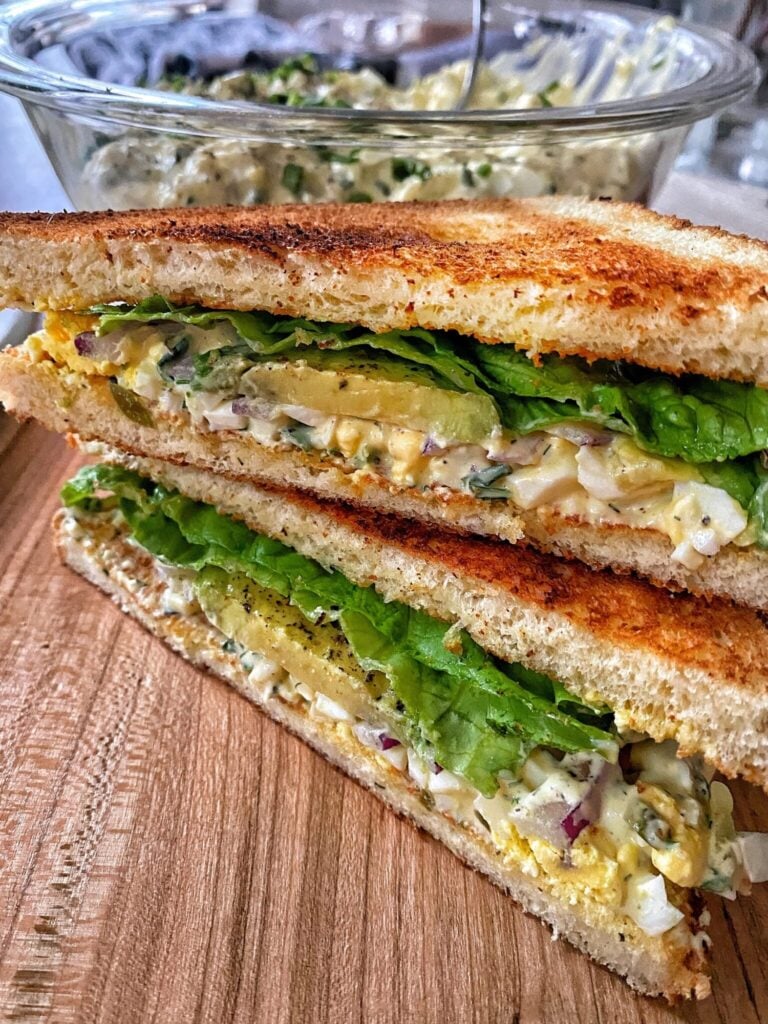
More Pasta Salads To Try
I make a LOT of pasta salad, especially when I need something that can be made ahead and served straight from the refrigerator. If tuna isn’t your thing or you’re just looking for your next one to try, here are some of my other favorites.
Click each pasta salad to get the recipe.
Frequently Asked Questions
Can I make tuna noodle pasta salad the night before?
Yes, and I actually recommend it. The overnight rest gives the pasta time to absorb some of the dressing and allows all of the flavors to come together. Give the salad a good stir before serving and adjust the mayonnaise or acidity if necessary.
Do I need to thaw the frozen peas?
No. Add the peas frozen. They’ll thaw while the salad chills overnight and help keep everything cold in the meantime.
Why is my tuna pasta salad dry the next day?
Pasta absorbs dressing as it sits. Simply stir in another spoonful or two of mayonnaise. If the salad needs more flavor rather than just moisture, add a small splash of pickle juice or vinegar as well.
Can I use a different pasta?
Yes. Small shells are my favorite because they hold the dressing so well, but elbow macaroni, small bow ties, rotini or another short pasta will work.
Can I use tuna packed in oil?
You can. Drain it very thoroughly. Keep in mind that oil-packed tuna is richer than tuna packed in water, so you may want slightly less mayonnaise.
Can I add more tuna?
Absolutely. Add another can if you prefer a more tuna-heavy salad. Just make sure it is very well drained.
Can I use sweet pickle relish?
Yes. I use dill because I prefer a savory, tangy salad, but sweet relish is completely fine if that’s what your family likes.
Do I have to use the cheese?
No. The cheddar can be left out without changing anything else in the recipe.
Can I substitute chicken for the tuna?
Yes. Well-drained canned chicken or chopped rotisserie chicken are both great substitutes.
How long does tuna noodle pasta salad keep?
Store the salad covered in the refrigerator and use it within about 3 to 4 days. Keep it properly chilled, especially when serving it outdoors or at a gathering.
Can I freeze tuna pasta salad?
I don’t recommend it. Mayonnaise-based dressings can separate after freezing, and the pasta and vegetables won’t have the same texture after thawing.
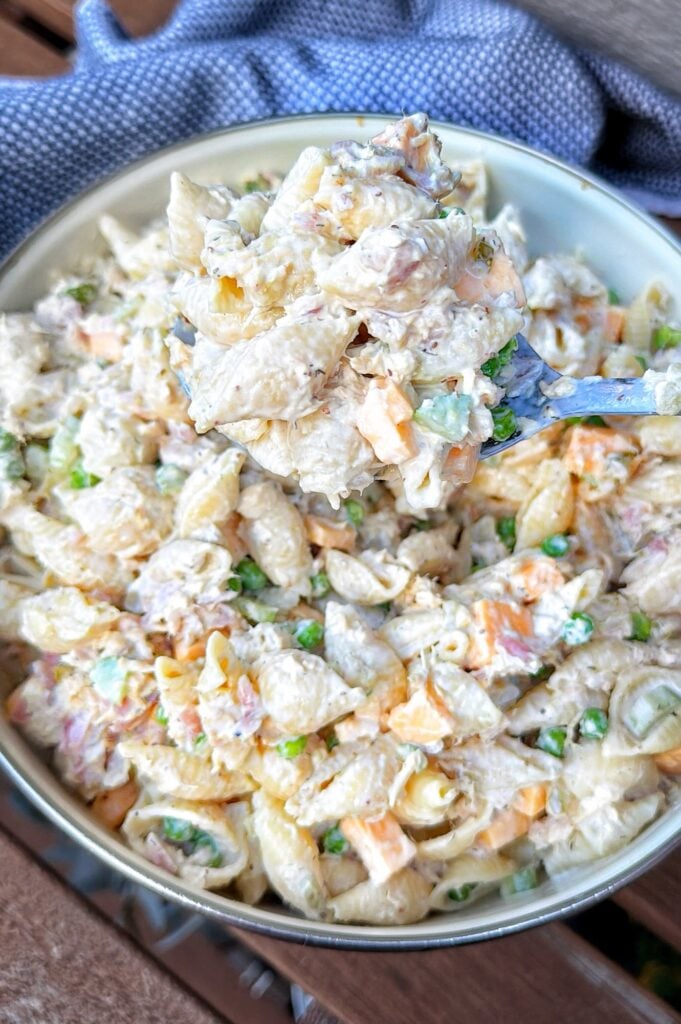
Creamy Tuna Noodle Pasta Salad Recipe
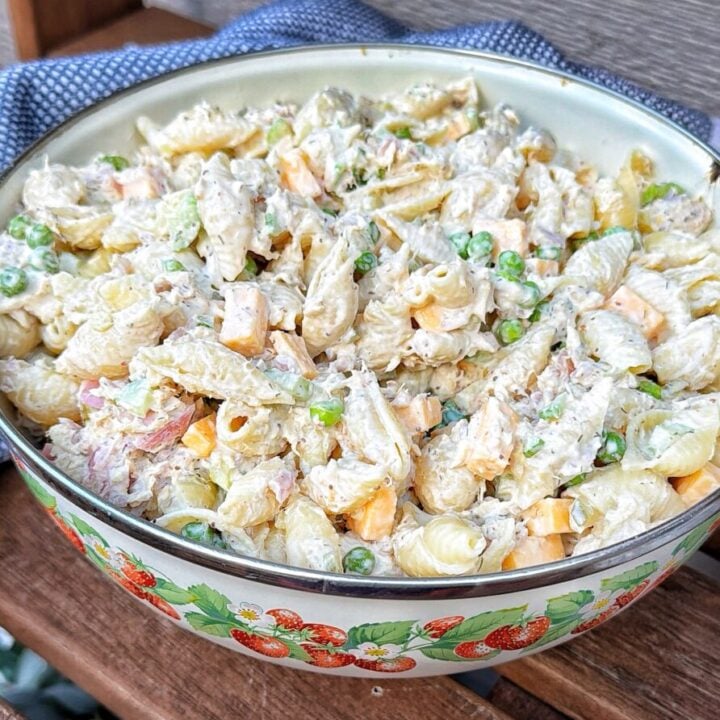
This Creamy Tuna Noodle Pasta Salad is a hearty, make-ahead favorite made with tender shell pasta, flaky tuna, crisp celery, sweet peas, marinated red onions, and sharp cheddar cheese. Everything is tossed in a tangy, creamy dill and pickle dressing that soaks into the shells as the salad chills overnight. It’s an easy, satisfying lunch or light dinner and is especially delicious served alongside a simple sandwich.
Ingredients
- 1 regular-size box small shell pasta, about 16 ounces
- 4 cans light white tuna packed in water, thoroughly drained
- 4 celery ribs, very finely diced
- 1 jar Mount Olive marinated red onions
- Reserved brine from the entire jar of marinated red onions
- 1½ cups mayonnaise, plus more as needed
- 2 heaping tablespoons sour cream
- 1 tablespoon Dijon mustard
- 3 heaping tablespoons dill pickle relish
- 2 teaspoons dried dill
- 2 teaspoons celery seed, or to taste
- 2 teaspoons celery salt, or to taste
- Black pepper, to taste
- 1 small bag frozen peas, approximately 12 ounces or 2½ cups
- 8 ounces extra-sharp cheddar cheese, finely diced
- Optional: white wine vinegar, rice vinegar or dill pickle juice, to taste
- Optional Seasoning Swap: Trader Joe's Seasoning in a Pickle Seasoning Blend can be used in place of some or all of the celery salt. Add gradually and taste before adding additional salt.
Instructions
- Drain the tuna. Press as much water as possible from the tuna while it is still in the cans. Transfer the tuna to a mesh strainer set over a bowl and allow it to drain for approximately 30 minutes. Gently break it apart with a fork, leaving some larger pieces.
- Cook the pasta. Bring a large pot of salted water to a boil. Cook the shell pasta until just al dente according to the package directions. Do not overcook it, as the pasta will soften slightly while sitting in the dressing overnight. Drain and allow to cool.
- Prepare the onions. Drain the marinated red onions, reserving all of the brine. Finely mince the onions. For an extra-fine texture, pulse them in a food chopper until they are almost puréed.
- Make the dressing. In a large bowl, whisk together 1½ cups mayonnaise, the reserved marinated onion brine, sour cream, Dijon mustard, pickle relish, dried dill, celery seed, celery salt, and black pepper.
- Taste and adjust. The dressing should be creamy but looser and tangier than a traditional thick mayonnaise dressing. For more acidity, add a splash of white wine vinegar, rice vinegar or dill pickle juice. For a creamier dressing, add additional mayonnaise.
- Add the vegetables. Stir the finely diced celery and minced marinated red onions into the dressing.
- Let the dressing rest. Allow the dressing mixture to sit for approximately 30 minutes so the dried seasonings can hydrate and the flavors can meld.
- Add the tuna. Gently fold the well-drained tuna into the dressing, keeping some larger pieces intact.
- Assemble the salad. Add the cooled shell pasta and frozen peas. Gently toss until everything is evenly coated.
- Chill. Cover and refrigerate overnight for the best flavor and texture.
- Finish with cheese. Before serving, give the salad a thorough stir. Taste and adjust with additional mayonnaise, pickle juice or vinegar if needed. Fold in the finely diced extra-sharp cheddar cheese.
- Serve cold. Keep refrigerated until ready to serve.
Notes
- Don't overcook the pasta: Al dente pasta is important because it continues absorbing dressing while the salad rests.
- Drain the tuna really well: Excess tuna water will dilute the dressing and can make the finished salad watery.
- Adjust the mayonnaise: I use approximately 1½ cups because I don't like an overly mayonnaise-heavy pasta salad. Add more if your family prefers a creamier salad.
- Taste before adding vinegar: The marinated onion brine already provides quite a bit of acidity.
- Add the peas frozen: There is no need to thaw them first when you're making the salad ahead.
- Cheese now or later: The cheddar can be added before refrigerating, but I prefer adding it before serving so the acid in the dressing doesn't change its texture.
- For chicken noodle salad: Substitute chopped rotisserie chicken or thoroughly drained canned chicken for the tuna.
- For extra pickle flavor: Add a splash of dill pickle juice or substitute Trader Joe's Seasoning in a Pickle for some of the celery salt.
- Storage: Store covered in the refrigerator and enjoy within 3 to 4 days.
2 Comments
Marilyn Morgan
August 29, 2026 at 6:57 pm
I am from the UK and usually find American recipes too reliant on canned soup and a lot of cream and cheese. I have been following you on Facebook and I enjoy reading the stories behind your recipes. The dressing for the tuna pasta salad is very similar to the way I make, less mayonnaise, perhaps a bit of Greek yogurt and pickles with their juice. I use it on potato salad as well, as you say you can customize the ingredients to your liking.
thetipsyhousewife
August 29, 2026 at 7:04 pm
Thank you so much!!!