
Turkey Gravy

The Make-Ahead Thanksgiving Gravy That Saves Me on the Big Day
This Turkey Gravy is one of my favorite Thanksgiving tricks because you make it BEFORE Thanksgiving Day.

Turkey wings are roasted with seasonings and butter to create flavorful drippings, then simmered with turkey broth, onions, celery and gravy seasonings to make approximately four cups of rich, savory gravy.
You can make it several days ahead or freeze it even earlier.
Then when Thanksgiving arrives, you aren’t standing over the stove desperately trying to turn turkey drippings into gravy while everyone is asking when dinner will be ready.
You already have gravy which is great to have one less thing to worry about.
Before You Jump to the Recipe
A few things to know before making this Turkey Gravy:
- I use turkey wings on purpose. They give me turkey flavor and wonderful drippings without as much grease as roasting an entire turkey.
- You need approximately 1 1/2 to 2 pounds of wings. That may be one enormous wing or several smaller ones.
- Can’t find turkey broth? Use chicken broth. It works perfectly well.
- The gravy packets are intentional. I use the roasted wings AND packaged turkey and brown gravy mixes for extra flavor and thickening.
- Want less packaged gravy flavor? You can rely more heavily on the turkey broth and use a cornstarch slurry for thickening.
- Make this ahead. That is really the entire point of this recipe.
- You can freeze it. Make it well before Thanksgiving and thaw it when you need it.
- Smooth or chunky is up to you. Leave the little turkey, celery and onion pieces, blend them into the gravy or strain them out.
- You can still use your Thanksgiving turkey drippings. I explain how below.
- Don’t automatically add extra salt. Broth and gravy packets can both contain quite a bit, so taste first.
Why I Make My Gravy Before Thanksgiving
There are enough things happening in my kitchen on Thanksgiving.
The turkey needs attention.
The stuffing needs to go into the oven.
The macaroni and cheese needs to bake.
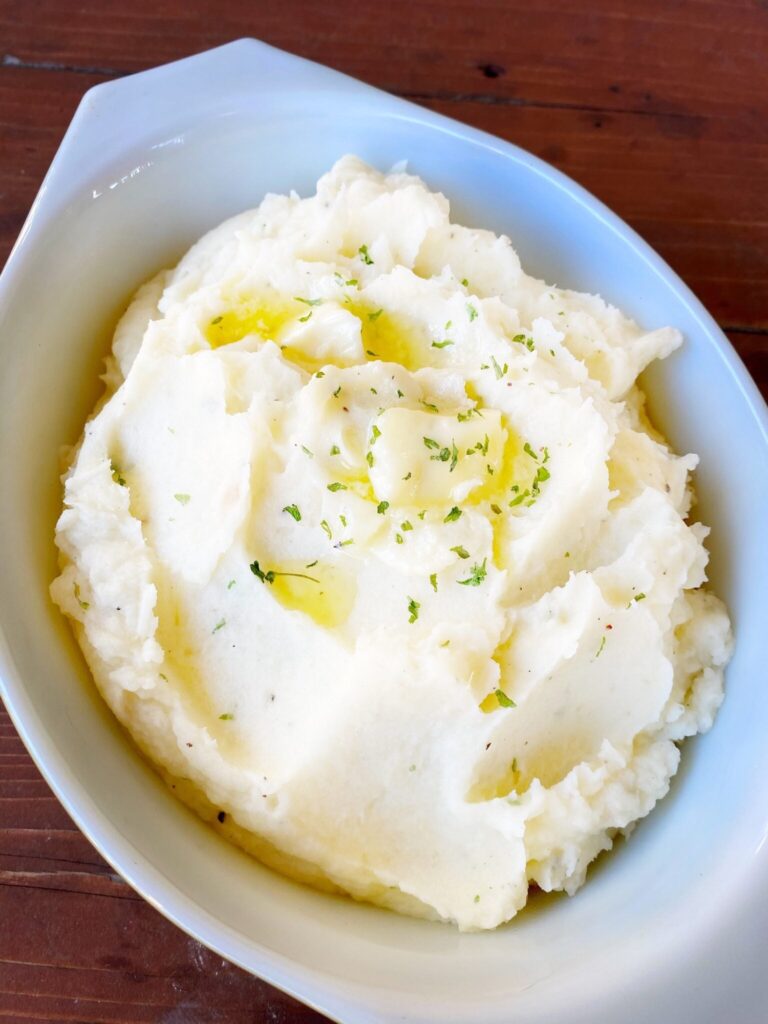
The mashed potatoes need to stay hot.
Everyone wants to know what time we’re eating.
The last thing I want is to discover at the final moment that I don’t have enough turkey drippings to make gravy for everyone.
So I make gravy ahead.
If my Thanksgiving turkey gives me beautiful drippings, wonderful. I can use those too and make even more gravy.
You can never have too much gravy.
But my entire Thanksgiving dinner isn’t depending on them.
This gravy is my insurance policy.
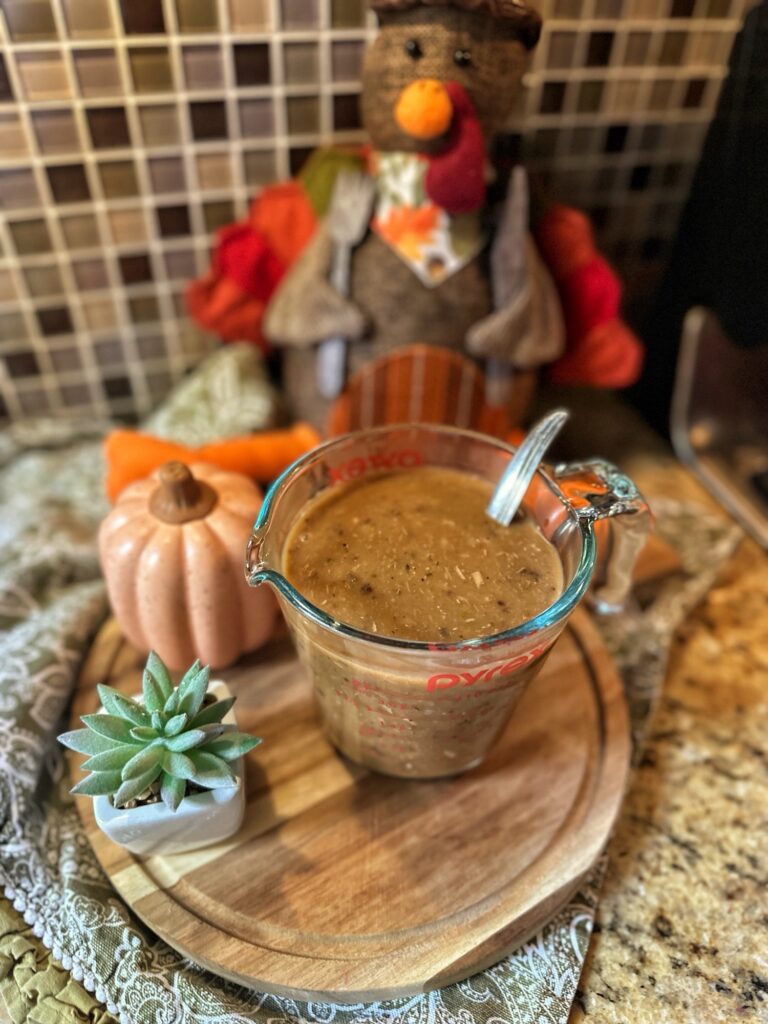
Why Turkey Wings Make Great Gravy
I specifically use turkey wings for this recipe.
Turkey wings give us meat, bones, skin and all those flavorful juices that collect in the roasting pan.
I use approximately 1 1/2 to 2 pounds.
Don’t get hung up on the actual NUMBER of wings.
Turkey wings vary tremendously in size. You may open your package and discover one wing that looks like it came off a prehistoric turkey.
That’s fine.
We’re shopping by weight rather than wing count.

Where Do I Find Turkey Wings?
Around the holidays, many grocery stores carry turkey wings either fresh or frozen.
If you don’t see them displayed, ask someone working in the meat department.
They may have them in back, carry them frozen or be able to order them.
And don’t wait until Wednesday afternoon before Thanksgiving to begin your turkey-wing scavenger hunt.
This gravy is supposed to REDUCE holiday stress.
Can I Use Turkey Legs or Drumsticks Instead?
Yes, although I prefer wings for this particular recipe.
The wings have a good combination of skin, bones and connective tissue that creates flavorful drippings without producing an excessive amount of meat.
Turkey drumsticks can work if that’s what you can find.
Just remember that you’re making gravy, not turkey soup. You don’t necessarily need to put every bit of meat from a giant turkey leg into the finished gravy.
Use enough to add flavor and texture.
What About Smoked Turkey Wings or Legs?
You can use smoked turkey parts, but understand that the flavor of your gravy will change.
Smoked turkey is already cooked and brings a very distinctive smoky and usually saltier flavor.
If that sounds delicious to you, go for it.
Reduce the roasting time because you’re not trying to cook a raw turkey wing through, and be especially careful about adding additional salt.
For classic Thanksgiving gravy, however, I prefer raw turkey wings.
Use a Small Roasting Dish
This is the same philosophy I use when roasting my Thanksgiving turkey.
Use a roasting dish that JUST fits the turkey wings. This is to reduce surface area so the liquid doesn’t spread out and evaporate from the heat.
You don’t need them stacked on top of one another, but you also don’t want two wings sitting in the middle of a roasting pan the size of Wisconsin.
We want those juices concentrated in the bottom of the pan rather than spread over a huge surface where they can evaporate.
Cover the dish tightly with foil while the wings roast.
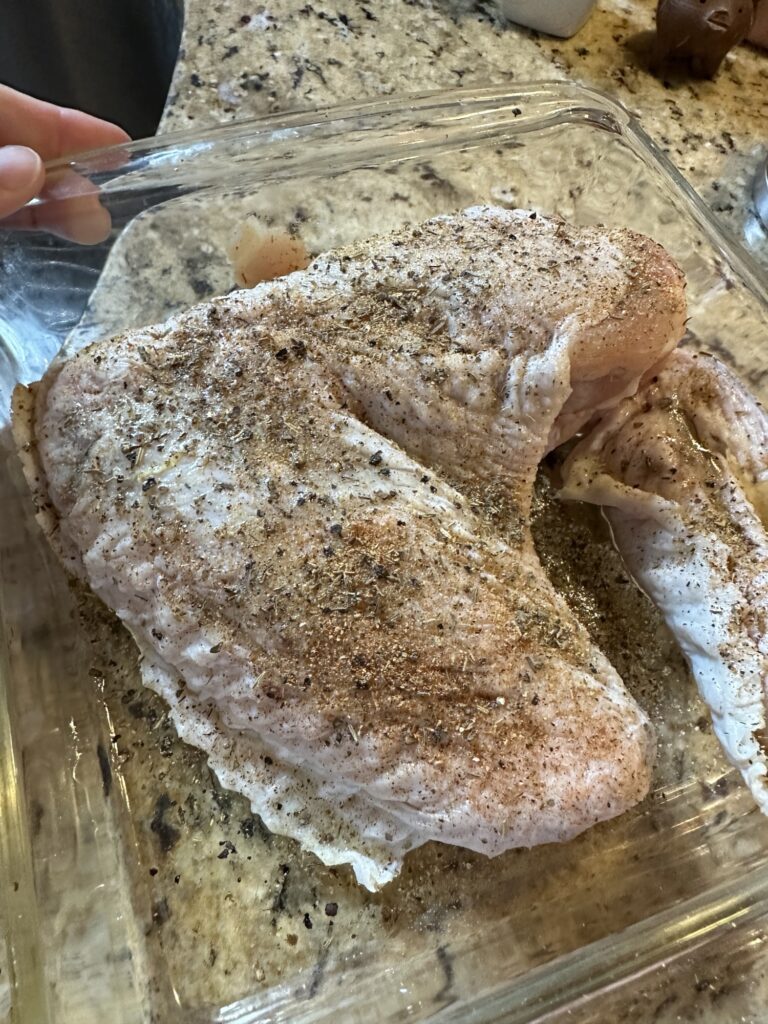
Season the Wings
I give the turkey wings a light dusting of:
Salt
Black pepper
Garlic powder
Onion powder
Then I season them more generously with poultry seasoning.
You can also put 3 tablespoons of butter over the wings before roasting.
This butter is optional, but I like the additional richness.
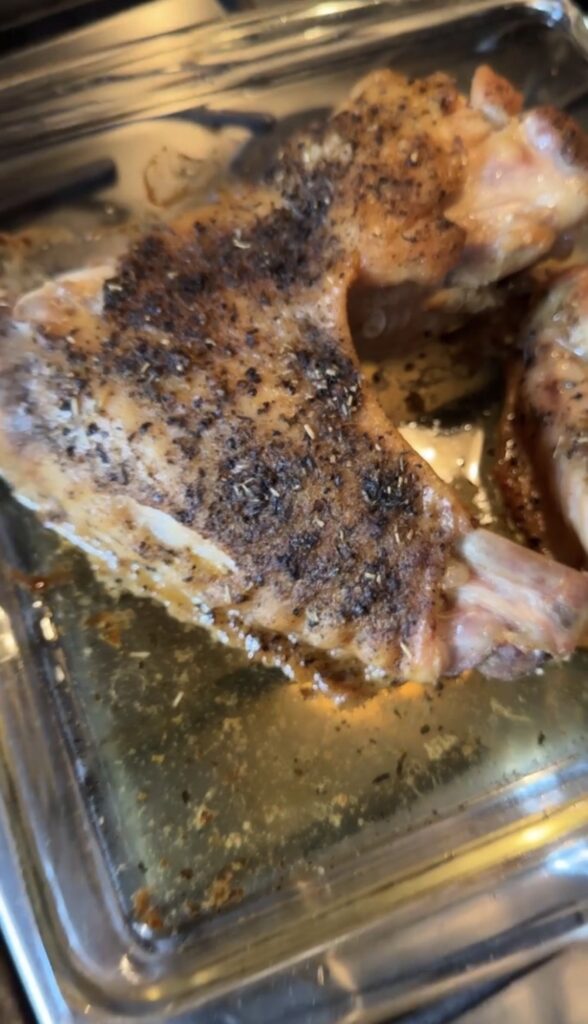
Cover the roasting dish tightly with foil and bake the wings at 325°F for approximately 90 minutes.
Check them about halfway through.
There should be liquid developing in the bottom of the pan.
If your wings aren’t producing much liquid, add approximately one cup of water and tightly cover the dish again.
Do NOT throw away anything in the bottom of that roasting dish.
That’s what we came for.
Celery Leaves Are Gravy Gold
Please don’t throw away those celery leaves.
I finely mince celery AND the leaves for this gravy.
Those leaves have a ton of celery flavor, and they’re perfect in recipes like gravy, stuffing, soup and stock.
Finely mince your onion and celery so you don’t end up with giant vegetable chunks floating around in the finished gravy.
Then sauté them in the second 3 tablespoons of butter until very soft.
Add a Little Turkey Meat
Once the roasted wings are cool enough to handle, remove the skin and pull the meat from the bones.
Finely chop some of that turkey meat and add it to your sautéed onion and celery.
Then cook everything together for a few minutes.
This creates another layer of actual turkey flavor before we add the broth.
Discard the skin and bones, or save the bones if you’re making stock.

Turkey Broth or Chicken Broth?
I love using turkey broth or turkey stock when I can find it.
The problem is that turkey broth can be strangely difficult to find outside of the holiday season.
Chicken broth is completely fine.
One of the questions I’ve gotten from readers is whether they can substitute chicken broth, and the answer is YES.
You’ve already roasted actual turkey wings and you’re adding those drippings and some turkey meat.
Your gravy is not suddenly going to forget it’s turkey gravy because chicken broth showed up.
You can also use a turkey-flavored Better Than Bouillon or another quality broth base mixed with water.
Use what you can find.
Yes, I Use Gravy Packets
I know someone is going to clutch their pearls.
I use one turkey gravy packet and one brown gravy packet.
And I sleep just fine at night.
We’re not dumping packets into water and calling it homemade gravy.
We’ve roasted seasoned turkey wings.
We’ve saved the drippings.
We’ve sautéed fresh onion and celery.
We’ve added actual roasted turkey.
We’ve added broth.
The packets help reinforce the savory flavor and give the gravy some additional body.
I like the result.
If you don’t want to use them, that’s your right.
You can season the turkey broth to your liking and thicken the gravy with a cornstarch slurry instead.
Smooth Gravy or Gravy With Bits?
This is entirely personal.
I LOVE the tiny pieces of celery, onion and turkey in this gravy.
It makes it feel hearty and homemade.
If you want smoother gravy, you have two options.
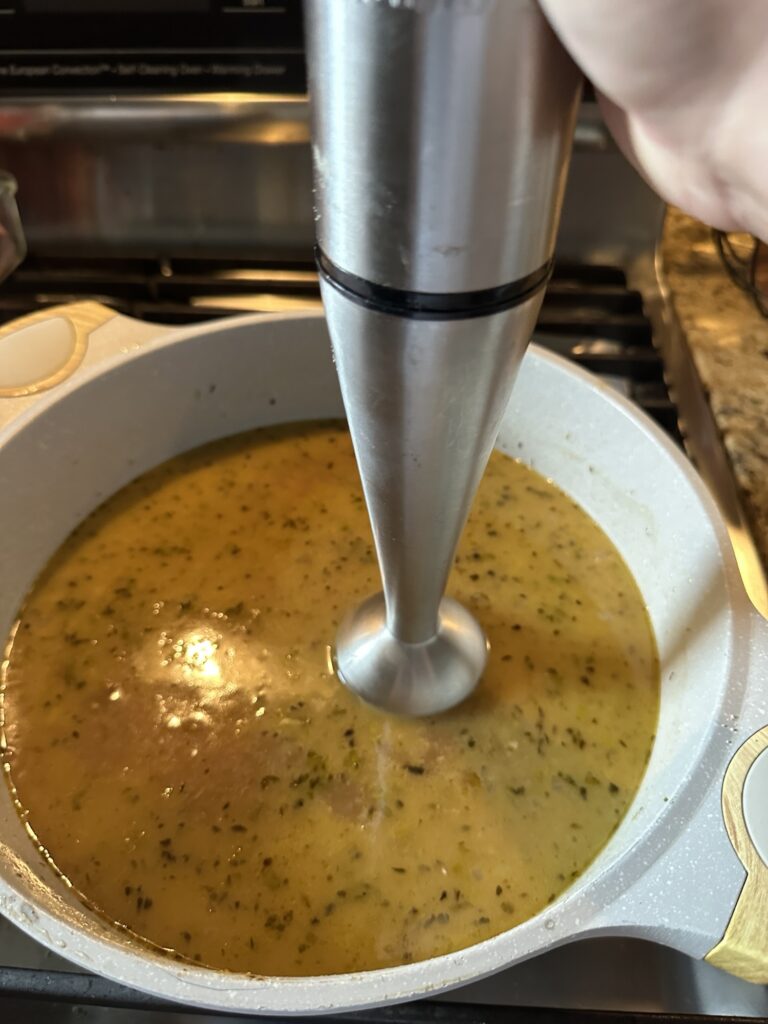
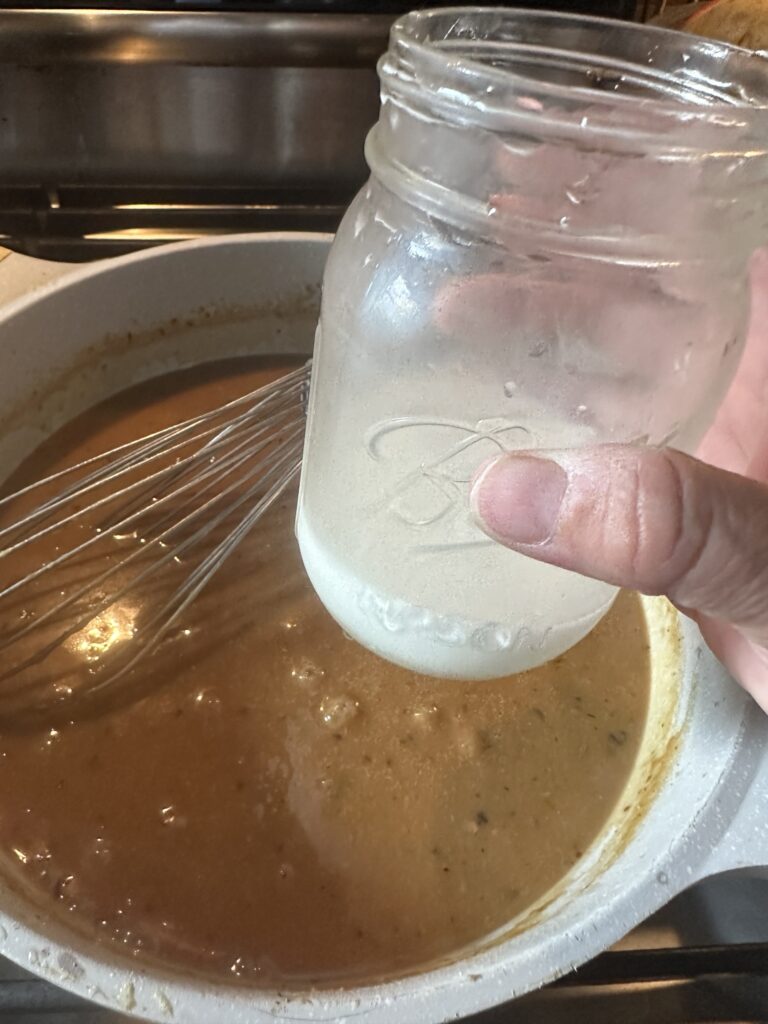
Use an immersion blender to blend the turkey and vegetables directly into the gravy.
Or strain the mixture and return the strained liquid to your skillet before thickening.
There is no wrong answer.
Make the gravy your family actually wants to eat. Although, I have never met a family who did not love gravy.
How to Thicken Turkey Gravy
The gravy packets will thicken the gravy somewhat.
After adding them, let the gravy simmer for approximately five minutes before deciding it isn’t thick enough.
Give them time to work.
If you want thicker gravy, whisk one heaping teaspoon of cornstarch with 1/4 cup cold water until completely smooth. I also use Wondra brand flour which is a flout made specifically for thickening gravy and stews.
This is called a slurry.
Add it to the simmering gravy a LITTLE at a time while whisking.
Don’t automatically dump in the whole thing.
Gravy continues thickening as it simmers and will thicken even more as it cools.
Stop when it reaches the consistency YOU like.
What If My Gravy Is Too Thick?
Easy.
Add more broth.
Whisk in a little turkey or chicken broth at a time until the gravy returns to the consistency you want.
This is also useful when reheating gravy because refrigerated gravy naturally gets thicker.
What If My Gravy Is Too Thin?
Let it simmer first.
Sometimes people panic and start adding thickeners before giving the gravy enough time to reduce and thicken naturally.
If it is still too thin, add a little more cornstarch slurry.
Again, use cold water when mixing cornstarch.
Adding dry cornstarch directly to hot gravy is an excellent way to make yourself angry. Your gravy will be ruined.
What If My Gravy Is Too Salty?
This is why I tell you to be conservative with salt until the end.
Broth can contain salt.
Gravy packets contain salt.
Your turkey has been seasoned.
Taste BEFORE you start aggressively salting.
If your finished gravy is too salty, add some unsalted or low-sodium broth to dilute it.
You’ll probably need to make a larger amount of gravy and may need another little bit of cornstarch slurry to restore the thickness.
Prevention is much easier.
Make Turkey Gravy Ahead of Time
This is the whole beauty of the recipe.
Make the gravy a few days before Thanksgiving, cool it and refrigerate it.
On Thanksgiving, gently reheat it on the stove.
You may need to whisk in a little turkey or chicken broth because gravy thickens considerably when chilled.
Taste again once it is hot and adjust the seasoning if needed.
You just eliminated one major Thanksgiving Day job.
Can I Freeze Turkey Gravy?
YES.
This is one of my favorite reasons to make it ahead.
Cool the gravy completely and transfer it to a freezer-safe container, leaving a little room for expansion.
Freeze it until you’re ready for Thanksgiving.
Thaw it safely in the refrigerator and then gently reheat it on the stove while whisking.
If it seems too thick, add broth a little at a time.
I like making this well before the holiday because every job I can complete before Thanksgiving week is one less thing I have to think about.
What About My Actual Thanksgiving Turkey Drippings?
Use them!
Making this gravy ahead doesn’t mean your Thanksgiving turkey drippings go to waste.
Think of this recipe as your gravy FOUNDATION.
If your turkey gives you wonderful drippings on Thanksgiving Day, separate the fat and use those drippings to make additional gravy or add some to your prepared gravy for even more flavor.
I use a gravy separator because it makes removing the excess grease much easier.
If you don’t have one, refrigerate the drippings. The fat will harden on top, and you can remove it.
For same-day gravy, you can also sprinkle Wondra flour into your defatted drippings a little at a time while they simmer and whisk until they reach the consistency you like.
If you’re using gravy packets with Thanksgiving Day drippings, pay attention to how much liquid you actually have.
Don’t add two full packets to two cups of drippings and then wonder why your gravy tastes like a salt lick.
Start conservatively.
How Much Gravy Do I Need for Thanksgiving?
This recipe makes approximately 4 cups of gravy.
For my family, I would rather have too much gravy than not enough.
Think about everything people are putting it on:
Turkey.
Mashed potatoes.
Stuffing.
Maybe even their dinner roll if they’re living right.
If you’re feeding a larger Thanksgiving crowd or your family is serious about gravy, double the recipe.
I would make two batches or use a sufficiently large pan so the gravy has enough room to simmer properly.
And leftover gravy is NOT a problem.
What to Serve With Turkey Gravy
The obvious answer is turkey.
But Thanksgiving gravy isn’t just for the bird.
I serve this with:
Mashed Potatoes
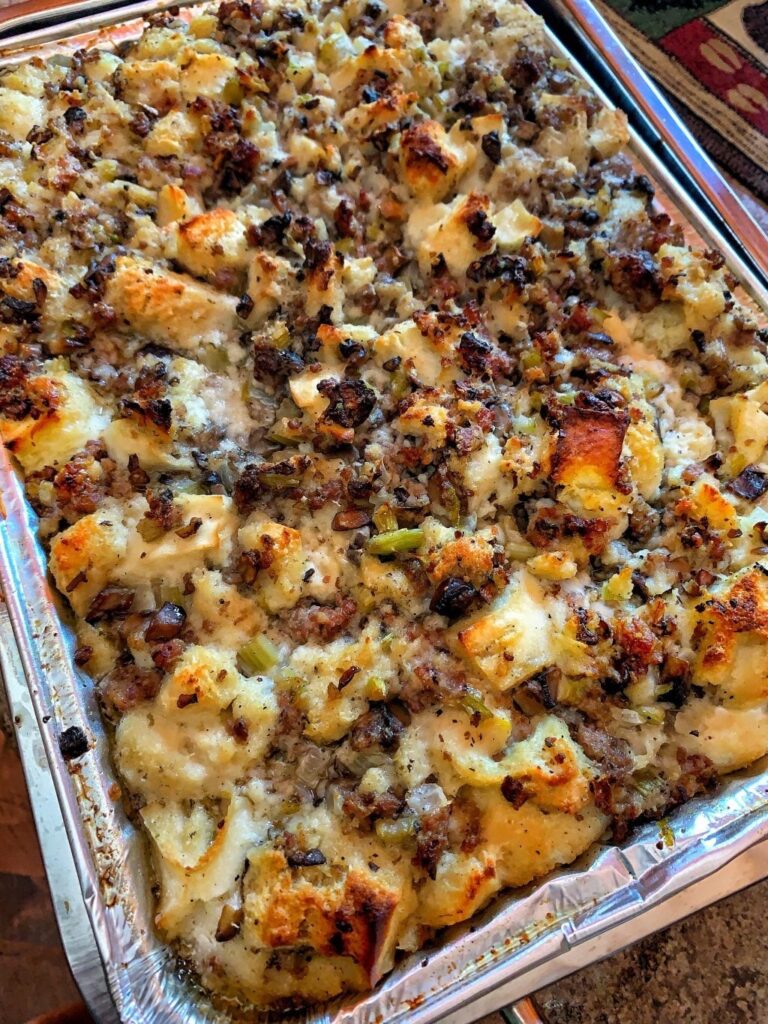
World’s Best Thanksgiving Stuffing
Turkey
Thanksgiving Stuffed Potatoes
Dinner rolls
And pretty much anything else on my plate that will hold still long enough for me to pour gravy on it. Maybe I even eat it as soup, but I will never tell.
My Tipsy Thanksgiving Menu
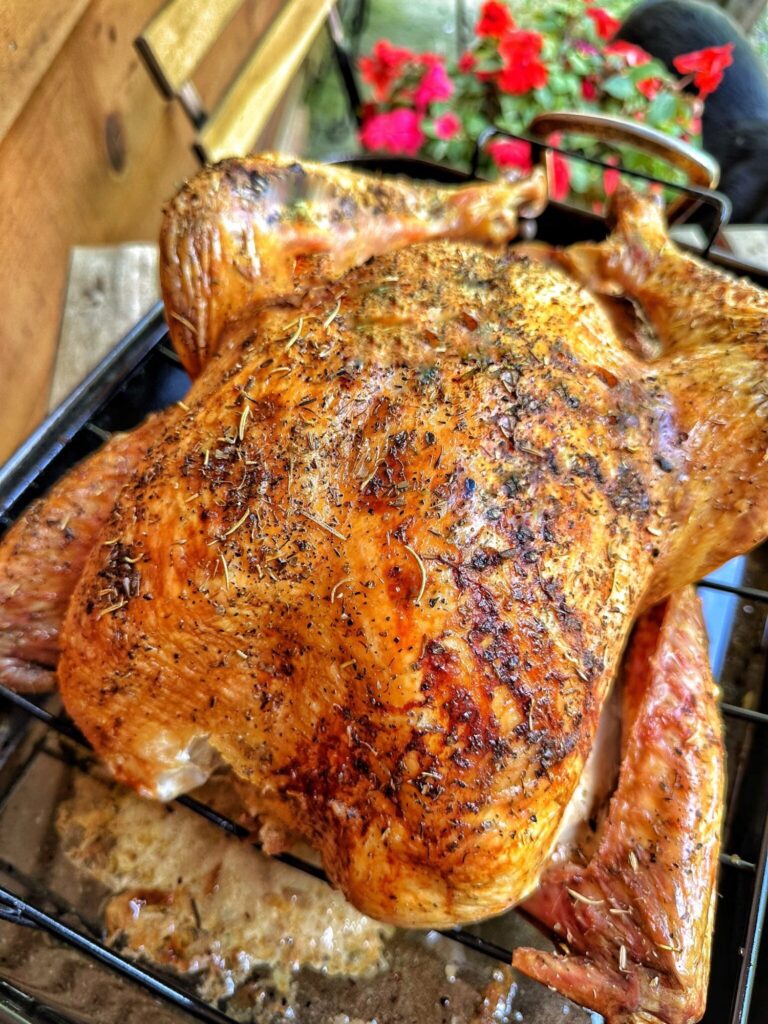
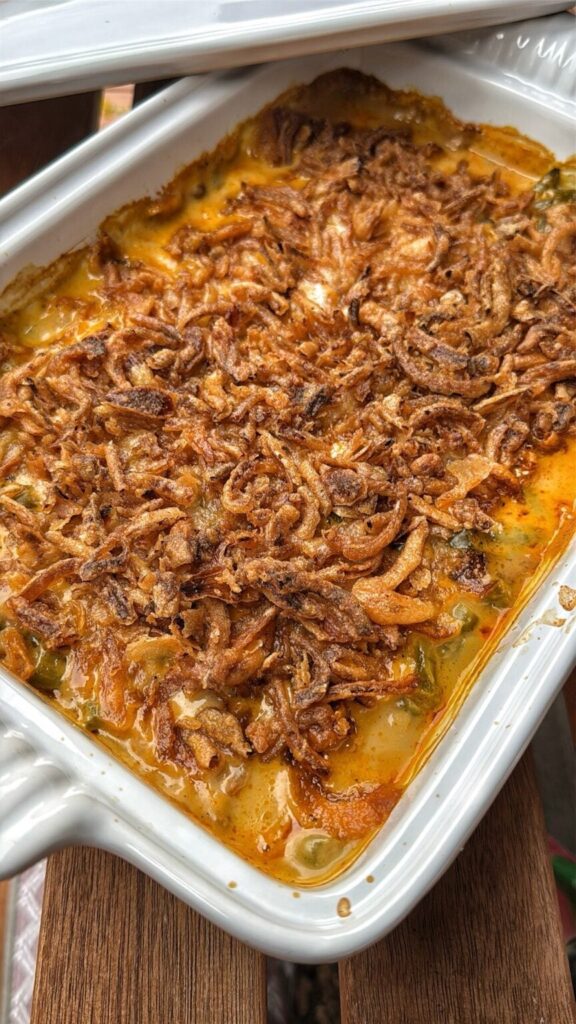
This Turkey Gravy is one piece of my Thanksgiving dinner, and one of the reasons I like making it ahead is that it frees me up to concentrate on everything else.
If you’re building your holiday menu, these are some of the dishes I like alongside it.
Frequently Asked Questions
Why do you use turkey wings instead of drumsticks?
I prefer wings because they provide skin, bones, meat and flavorful drippings without giving me a huge amount of turkey meat.
Drumsticks can work if that’s what you can find.
Can I use chicken broth instead of turkey broth?
Absolutely.
The roasted turkey wings, drippings and turkey meat still give the gravy plenty of turkey flavor.
Can I use smoked turkey wings or legs?
Yes, but your gravy will have a smoky flavor.
Smoked turkey is also already cooked, so reduce the roasting time and be careful with additional salt.
Do I have to use gravy packets?
No.
I like the additional flavor and thickening they provide.
If you prefer not to use them, season your turkey broth to taste and thicken it with a cornstarch slurry.
Can I make this gravy ahead?
Yes.
That’s exactly why I created the recipe.
Make it several days ahead, refrigerate and gently reheat it on Thanksgiving.
Can I freeze Turkey Gravy?
Yes.
Cool it completely before freezing. Thaw it in the refrigerator and gently reheat it on the stove.
Why is my refrigerated gravy so thick?
That’s normal.
Gravy thickens when it gets cold.
Add a little turkey or chicken broth while reheating until it reaches the consistency you like.
Can I make the gravy smooth?
Yes.
Use an immersion blender or strain out the turkey and vegetables before thickening.
Can I leave the turkey and vegetables in it?
Absolutely.
That’s actually how I like mine.
Can I use my Thanksgiving turkey drippings too?
Definitely.
Separate the excess fat and add the drippings to your prepared gravy or use them to make additional gravy.
Can I double this recipe?
Yes.
If your family loves gravy, this is one Thanksgiving recipe I would rather have too much of than too little.
How much gravy does this recipe make?
Approximately four cups.
One Less Thing to Do on Thanksgiving
That’s the entire reason I started making Turkey Gravy this way.
Thanksgiving morning is NOT when I want to discover whether my turkey is going to give me enough drippings.
I roast a couple of turkey wings ahead of time, make my gravy, put it away and cross one thing off my Thanksgiving list.
If the actual turkey gives me beautiful drippings later, even better.
Now I have MORE gravy.
And I have never once heard anyone complain that there was too much gravy on Thanksgiving.
Make-Ahead Turkey Gravy Recipe
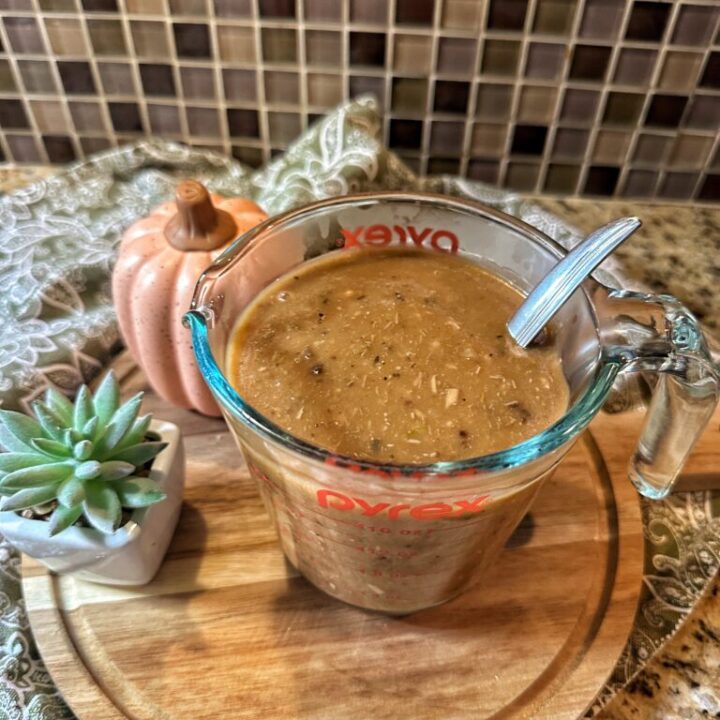
This easy Turkey Gravy is made ahead with roasted turkey wings, flavorful pan drippings, turkey broth, onion and celery. Make it several days before Thanksgiving or freeze it even earlier, then gently reheat it for a rich savory gravy without the last-minute holiday stress.
Ingredients
For the Turkey Wings
- 1 1/2 to 2 pounds raw turkey wings
- Kosher salt, for light seasoning
- Black pepper, to taste
- Garlic powder, to taste
- Onion powder, to taste
- Poultry seasoning, to taste
- 3 tablespoons butter, optional
- Up to 1 cup water, if needed while roasting
For the Gravy
- 3 tablespoons butter
- 1/3 cup finely minced onion
- 1/4 cup finely minced celery and celery leaves
- 4 cups turkey broth or chicken broth
- 1 packet turkey gravy mix, approximately 0.87 ounces
- 1 packet brown gravy mix, approximately 0.87 ounces
- 1 heaping teaspoon cornstarch
- 1/4 cup cold water
- Additional salt and black pepper, if needed
Instructions
- Heat the oven to 325°F.
- Place the turkey wings in a small roasting dish that just accommodates them.
- Lightly season the wings on all sides with kosher salt, black pepper, garlic powder and onion powder.
- Season more generously with poultry seasoning.
- If using, place 3 tablespoons of butter over the wings.
- Cover the roasting dish tightly with foil.
- Roast for approximately 90 minutes.
- Check the wings about halfway through cooking. You should see juices accumulating in the bottom of the roasting dish. If the pan is dry, add approximately 1 cup of water and cover tightly again.
- When the wings are done, carefully remove the roasting dish from the oven. Reserve all the liquid and drippings from the pan.
- Allow the turkey wings to cool until they are safe to handle.
- Meanwhile, melt the remaining 3 tablespoons butter in a large deep-sided skillet.
- Add the finely minced onion, celery and celery leaves.
- Sauté for approximately 10 to 12 minutes, or until very soft.
- Remove the skin from the cooled turkey wings and pull the meat from the bones.
- Finely chop some or all of the turkey meat, depending on how much texture you want in the finished gravy.
- Add the chopped turkey to the softened onion and celery and sauté for approximately 5 minutes.
- Pour the reserved turkey-wing drippings into the skillet.
- Add 4 cups of turkey broth or chicken broth.
- Bring to a simmer, reduce the heat, cover and simmer for approximately 20 to 30 minutes, stirring occasionally.
- Decide whether you want the gravy chunky or smooth. You can leave the turkey and vegetables as they are, use an immersion blender to blend them into the gravy, or strain them out and return the liquid to the skillet.
- Place the turkey gravy mix and brown gravy mix in a bowl.
- Ladle approximately 1 cup of the hot liquid from the skillet into the bowl and whisk until completely smooth.
- Bring the skillet back to a low simmer.
- Slowly whisk the gravy mixture into the skillet.
- Simmer and whisk for approximately 5 minutes to allow the gravy to thicken.
- Check the consistency before adding additional thickener.
- If you want thicker gravy, whisk the cornstarch with 1/4 cup COLD water until completely smooth.
- Slowly add the cornstarch slurry to the simmering gravy a little at a time while whisking.
- Allow the gravy to simmer for a minute or two between additions. Stop adding slurry when the gravy reaches your preferred thickness.
- Taste the finished gravy and adjust salt, pepper or other seasonings only if needed.
- Serve immediately, refrigerate for later or cool completely and freeze.
Notes
- Turkey wings: You need approximately 1 1/2 to 2 pounds. The actual number of wings doesn't matter because their sizes vary considerably.
- Chicken broth: Chicken broth can absolutely be substituted when turkey broth is unavailable.
- Turkey legs: Raw turkey drumsticks can be used, although wings are my preference for this gravy.
- Smoked turkey: Smoked wings or legs can be used but will produce a smokier and potentially saltier gravy. Since they're already cooked, they do not require the same roasting time as raw wings.
- Gravy packets: I intentionally use turkey and brown gravy packets to reinforce the flavor and help thicken the gravy. If you prefer not to use them, season your broth to taste and use cornstarch slurry for thickening.
- Smooth gravy: Blend with an immersion blender or strain before thickening.
- Chunky gravy: Leave the finely minced vegetables and turkey in the gravy. This is my preference.
- Too thick: Whisk in additional turkey or chicken broth.
- Too thin: Simmer a little longer first. If necessary, add additional cornstarch slurry.
- Salt: Wait until the end to add more salt because turkey broth and gravy packets can already contain significant salt.
- Make ahead: Cool and refrigerate the finished gravy, then gently reheat on the stovetop. Add a little broth if it has thickened.
- Freezing: Cool completely and freeze in an appropriate freezer-safe container. Thaw in the refrigerator before reheating.
- Thanksgiving Day drippings: Defatted drippings from your roasted Thanksgiving turkey can be added to this gravy when reheating for additional flavor.
- Doubling: Double the ingredients for a larger Thanksgiving gathering. Make sure you use a sufficiently large skillet or saucepan so the gravy can simmer comfortably.
7 Comments
Linda Hildebrand
November 16, 2023 at 2:08 pm
I’m making this now and wondering why 3 Tablespoons of Butter is mentioned twice in the ingredients but not in the directions.
thetipsyhousewife
November 16, 2023 at 2:11 pm
It was meant to say to put 3 on wings if you want. I updated it
Vicki Bakehorn Gilsinger
November 15, 2024 at 4:28 pm
i am not finding turkey broth, chicken broth an okay sub?
thetipsyhousewife
November 17, 2024 at 6:20 pm
Yes!
Vicki Bakehorn Gilsinger
November 16, 2024 at 9:59 am
i bought smoked turkey legs will these work?
thetipsyhousewife
November 16, 2024 at 10:00 am
Yes, will just have a Smokey flavor but reduce the heat cause they are already cooked
Lisa Hill Sindt
November 23, 2024 at 10:52 am
Apologies if I missed it in the post but do have a reason for using wings? Every substituted drumsticks? Thanks!