
Christmas Beef Roast

An Affordable, Delicious Beef Roast for Christmas and Other Special Occasions

This Christmas Beef Roast is proof that you don’t have to spend a fortune on an expensive cut of beef to make a beautiful holiday dinner. I use a budget-friendly bottom round roast, season it generously with Montreal steak seasoning, and cover the top with a flavorful mustard and herb mixture. The roast starts in a very hot oven to develop a delicious crust, then finishes roasting at a lower temperature.
The result is a wonderfully flavorful beef roast that can be sliced thin and served with its own pan juices or my Make Ahead Mushroom Gravy. Add a big scoop of creamy mashed potatoes, and you have a holiday dinner that feels special without spending your entire Christmas budget at the butcher counter.
I love making a beautiful rib roast or beef tenderloin for a special occasion, but those cuts can be expensive, especially when you’re feeding a crowd. This recipe gives you another option that is affordable, satisfying, and perfect for a traditional holiday meal.
A Holiday Dinner That Doesn’t Break the Bank
When people think about serving beef for Christmas, they often immediately think of prime rib or beef tenderloin. I have recipes for both on my website, and they’re wonderful, but I also understand that not everyone wants to spend that kind of money on one part of the holiday meal.
That’s why I love this Christmas Beef Roast. Bottom round is generally much more affordable than those premium cuts, and when you prepare it correctly, you can make a delicious dinner that still looks beautiful on the table.
Another thing I like about bottom round is that it is served in thin slices. You aren’t cutting giant steakhouse portions like you might with prime rib. Because of that, a smaller roast can feed more people, especially when you’re serving mashed potatoes, vegetables, rolls, salad, and several other side dishes.
The roast I photographed for this recipe cost around fifteen dollars. Of course grocery prices vary, but the point is that you can make something special without necessarily buying the most expensive piece of beef in the meat department.
Before You Jump to the Recipe
Here are a few important things to know before making this Christmas Beef Roast.
- Use a bottom round roast. My recipe calls for approximately three pounds.
- Season generously. Montreal steak seasoning creates a flavorful exterior.
- Don’t skip the mustard mixture. Grainy brown mustard, soy sauce, onion powder, rosemary, parsley, and black pepper make a delicious crust.
- Use a smaller roasting pan. A pan that fits the roast closely helps keep the beef broth and drippings from evaporating too quickly.
- Start with high heat. This method begins at 475°F for 20 minutes, then reduces to 375°F.
- Roast uncovered. Do not put a lid or foil over the beef while it’s roasting.
- Use a meat thermometer. The shape and thickness of your roast matter more than a strict cooking-time formula.
- Rest before slicing. Let the roast rest approximately 15 minutes after removing it from the oven.
- Slice thinly against the grain. This is especially important with a lean cut like bottom round.
- Save the drippings. They make a flavorful au jus or light gravy.
- Serve with mashed potatoes. My Creamiest Mashed Potatoes Ever and Make Ahead Mushroom Gravy are wonderful with this beef.
Why You’ll Love This Christmas Beef Roast
One of the biggest reasons I love this recipe is that it uses ingredients you can find in almost any grocery store. You don’t need specialty beef, an expensive marinade, or complicated cooking equipment.
The mustard and herb mixture is another favorite part of the recipe. It gives the outside of the beef so much flavor, especially when combined with Montreal steak seasoning. As the roast cooks, the seasonings create a delicious crust while the beef broth collects the drippings in the bottom of the pan.
I also love that this recipe gives you options for serving. You can make a simple au jus using the drippings, prepare my mushroom gravy ahead of time, or serve both. When you’re preparing your holiday table, having one part of the menu already prepared can make the whole day easier.
Ingredients You’ll Need
- 3-pound bottom round roast: This is the main ingredient and the affordable cut of beef. Look for a roast with a fairly even shape so it cooks consistently.
- 4 to 6 tablespoons Montreal steak seasoning: This creates a generously seasoned exterior. The amount depends on the size and shape of your roast and how heavily you prefer it seasoned.
- 1 tablespoon onion powder: Adds savory onion flavor to the mustard mixture without needing to chop onions.
- 2 teaspoons black pepper: Provides a little warmth and balances the mustard.
- 1 tablespoon dried parsley: Adds mild herbal flavor.
- 1/2 tablespoon dried rosemary: Gives the roast a traditional, savory holiday flavor.
- 2 tablespoons grainy brown mustard: The base of the seasoned coating. I like the texture and flavor of grainy mustard for this recipe.
- 1 tablespoon soy sauce: Adds savory depth to the mustard mixture.
- 2 tablespoons cooking oil: Helps the Montreal seasoning adhere to the beef. I use vegetable oil, but another oil suitable for high-heat cooking can be used.
- 2 cups beef broth: Added to the bottom of the roasting pan to create flavorful pan juices.
- Optional for thickening the drippings: 1 tablespoon cornstarch mixed with 3 tablespoons cold water.

Special Equipment You’ll Need
A small roasting pan is especially helpful for this recipe. You want a pan that holds the roast comfortably without leaving a tremendous amount of empty space around it. This helps reduce evaporation and leaves you with more flavorful liquid inside the pan to serve alongside the beef.
You’ll also need a mixing bowl for the mustard and herb mixture, paper towels for drying the beef, a reliable meat thermometer, aluminum foil for resting, and a sharp carving knife.
If you don’t own a traditional roasting pan, a Dutch oven or oven-safe skillet may work, provided it is rated for the high oven temperature and has enough depth to contain the broth and drippings.
How to Make Christmas Beef Roast
Step One: Prepare the Beef
Remove the bottom round roast from the fridge approximately 30 minutes before you begin preparing it. 30 minutes is the maximum. Don’t leave raw beef at room temperature for an extended period.
Afterward, use paper towels to pat the outside of the beef dry. Removing surface moisture helps the seasonings adhere and encourages a nicely browned exterior.
Step Two: Make the Mustard and Herb Mixture
In a small mixing bowl, combine the grainy brown mustard and soy sauce. Add the onion powder, dried rosemary, dried parsley, and black pepper. Stir until everything is evenly combined.
This mixture will be spread over the top of the roast before it goes into the oven. It creates a flavorful coating that works beautifully with the Montreal steak seasoning.
Step Three: Season the Roast
Rub the roast all over with the cooking oil. Season the bottom and sides generously with Montreal steak seasoning, using approximately four to six tablespoons depending on the size of your roast and your preference.
If the roast has a noticeable fat cap, place that side facing down in the roasting pan.
Spread the mustard and herb mixture generously across the top of the beef, allowing some of it to extend down the sides.

Step Four: Add the Beef Broth
Pour two cups of beef broth into the bottom of the roasting pan, around the beef rather than directly over the seasoned crust.
The broth helps collect the flavorful juices that develop during roasting. You’ll use this liquid later for a simple au jus or gravy.
Step Five: Start the Roast at High Heat
Preheat your oven to 475°F. Place the uncovered roasting pan into the oven and roast for 20 minutes.
This initial blast of heat helps develop a flavorful exterior on the beef. Because the oven temperature is high, use an appropriate roasting pan, make sure the oven is clean, and monitor for excessive smoke.
Step Six: Lower the Oven Temperature
After 20 minutes, reduce the oven temperature to 375°F without removing the roast.
I consider approximately 20 minutes per pound as a general cooking guideline after the high-heat stage, but the actual time can vary considerably depending on the roast’s shape, thickness, starting temperature, and your oven.
A meat thermometer is the best way to determine when the roast has reached your desired internal temperature. Insert the thermometer into the thickest portion of the meat.
For food safety, the USDA recommends an internal temperature of 145°F followed by a rest of at least three minutes. If following my lower-temperature, medium-rare approach, understand that it may not meet that USDA recommendation. If you are feeding someone who might be at a higher risk for rarer beef, you can follow that standard.
Step Seven: Rest the Roast
When the beef has reached your chosen internal temperature, remove the roasting pan from the oven.
Transfer the roast to a cutting board or platter, cover loosely with a piece of aluminum foil, and let it rest for approximately 15 minutes.
Resting allows the juices to redistribute and makes the roast easier to slice. The internal temperature can continue rising during this time, so account for carryover cooking when planning your meal.
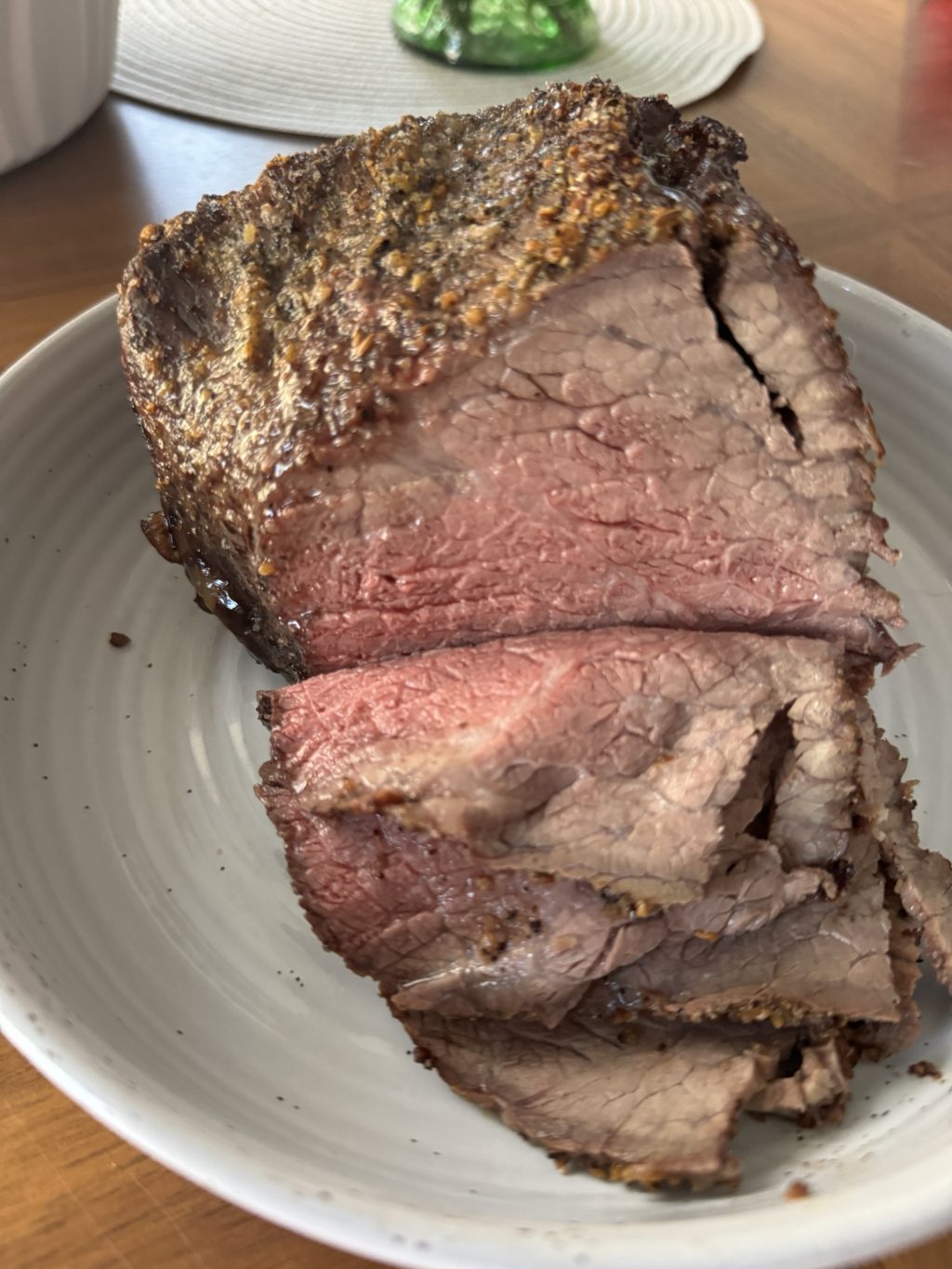
Step Eight: Slice the Beef Very Thin
This is one of the most important parts of the entire recipe.
Bottom round is a lean cut of beef, so you don’t want to carve it into thick steakhouse-style slices. Instead, use a very sharp knife and slice the beef as thinly as possible against the grain.
The grain refers to the direction of the muscle fibers. Cutting across those fibers shortens them and makes the meat easier to chew.
I typically begin slicing from the narrower end rather than cutting lengthwise along the entire roast. However, always look at the direction of the grain on your particular piece of beef.
Step Nine: Make the Au Jus or Light Gravy
After removing the beef from the roasting pan, carefully pour the broth and meat drippings into a saucepan. Skim off excess fat if necessary.
Bring the liquid to a gentle simmer. For a slightly thicker sauce, mix one tablespoon of cornstarch with three tablespoons of cold water until smooth.
Slowly whisk the slurry into the simmering pan juices. Continue stirring for approximately one to two minutes, until the sauce thickens.
Taste before adding salt because the Montreal steak seasoning, soy sauce, and beef broth already contain seasoning.
If you prefer a thinner au jus, simply heat the strained pan juices without adding the cornstarch mixture.
Step Ten: Serve With Your Favorite Holiday Sides
Arrange the thinly sliced beef on a serving platter and spoon some of the warm au jus over the top.
I especially love serving this roast with creamy mashed potatoes and my Make Ahead Mushroom Gravy. It’s a beautiful, comforting holiday dinner that doesn’t require spending a fortune on a premium cut of beef.

Why Bottom Round Roast Is a Good Budget Choice
Bottom round comes from the rear leg of the cow and is generally leaner than cuts such as rib roast or chuck roast. Because it doesn’t have the same amount of marbling as prime rib, it’s especially important to pay attention to how you cook and slice it.
I like using this cut for a holiday dinner because it can be served in thin slices, which helps stretch a smaller roast across more plates. When you’re serving several side dishes, eight to ten modest portions from a three-pound roast can work well.
The key is to remember that bottom round is not prime rib. It won’t have the same buttery richness or texture, but it can still make a flavorful and satisfying holiday dinner.
Can You Use Another Cut of Beef?
You can use a rump roast or another round roast, although the exact cooking time may differ depending on the cut and shape.
Chuck roast is another affordable option, but it has different connective tissue and fat content. It’s often better suited to a longer, moist cooking method, so I wouldn’t assume it will behave exactly like bottom round in this recipe.
If you prefer chuck roast, I have a separate Chuck Tender Beef Roast with Gravy recipe on my website. I also have a great brisket recipe for another affordable main dish.
Why the Size of Your Roasting Pan Matters
This is one of my favorite tips for this recipe because it’s something people don’t always think about.
When you use an enormous roasting pan for a relatively small roast, the beef broth spreads across a larger surface area. That means more of the liquid can evaporate during cooking, especially when the oven is very hot.
A smaller roasting pan keeps the broth and drippings more concentrated. You want enough room for the roast to fit comfortably, but you don’t need a pan that could hold an entire turkey.
I also recommend checking that your pan can safely handle the initial 475°F oven temperature.
Why You Should Use a Meat Thermometer
I know some people like to cook beef according to a certain number of minutes per pound, and that can be helpful when you’re planning dinner. But it’s not a guarantee.
Two roasts that weigh exactly three pounds can cook differently if one is long and narrow and the other is short and thick. Your oven temperature, roasting pan, and the temperature of the beef when it goes into the oven also affect the cooking time.
That’s why I recommend using a meat thermometer. It takes the guessing out of the process and helps you avoid serving a roast that’s much more or less done than you intended.
The Secret to Tender Slices
If there’s one thing I want you to remember when making bottom round roast, it’s to slice the beef thinly against the grain.
This cut has long muscle fibers, and thick slices can be chewy. Cutting across those fibers leads to a tenderness that makes each bite easier to chew, and thin slices are much better suited to serving with gravy or au jus.
If you have a very sharp carving knife, this is the time to use it. Let the beef rest before carving, and take your time making even slices.
Make Ahead Tips for Holiday Dinner
Although I prefer roasting the beef on the day I’m serving it, there are several things you can prepare ahead of time.
You can measure the dry seasonings, mix the mustard and herb coating, check your roasting pan, and make sure your meat thermometer is working. You can also prepare the Make Ahead Mushroom Gravy a day or two before your dinner and refrigerate it until you’re ready to reheat.
If you roast the beef ahead of time, refrigerate it promptly in shallow containers. Reheat leftovers thoroughly to 165°F, preferably with a little broth or gravy to help keep the slices moist.
How to Store and Reheat Leftovers
Refrigerate leftover cooked beef within two hours of serving, using shallow airtight containers. Properly refrigerated leftovers are generally best used within three to four days.
For reheating, place thinly sliced beef into a covered oven-safe dish with a little beef broth or gravy. Heat until the center reaches 165°F. You can also reheat individual portions in the microwave, adding a spoonful of liquid to help prevent drying.
Leftover beef is also delicious in sandwiches, served over mashed potatoes, or warmed in gravy for a simple second dinner.
Frequently Asked Questions
Is Bottom Round Roast Good for Christmas Dinner?
Yes. It’s an affordable alternative to premium holiday cuts such as prime rib and beef tenderloin. Slice it thinly and serve with flavorful gravy and Christmas side dishes.
Do I Have to Use Montreal Steak Seasoning?
That’s what I use because it gives the roast a delicious seasoned crust. You can experiment with another beef seasoning, but be mindful of the salt content.
Can I Use Dijon Mustard Instead of Grainy Brown Mustard?
You can, although the texture and flavor will be slightly different. I prefer grainy brown mustard for the original version.
Do I Cover the Roast While It’s Cooking?
No. It is roasted uncovered so the exterior develops a flavorful crust.
What Temperature Should a Beef Roast Reach?
The USDA recommends 145°F followed by a minimum three-minute rest for whole beef roasts, though my method may lead to a rarer roast. A meat thermometer is the most reliable way to check.
Why Is My Bottom Round Roast Chewy?
Bottom round is naturally lean, so it can become chewy if overcooked or sliced too thickly. Slice it very thinly across the grain.
Can I Make the Gravy Ahead?
Yes. My Make Ahead Mushroom Gravy is a wonderful choice because you can prepare it before the holiday and reheat it when you’re ready to serve.
Can I Freeze Leftover Roast Beef?
Yes. Cool and refrigerate the beef promptly, then freeze in airtight freezer-safe packaging. Adding a little broth or gravy can help protect the slices from drying out. Thaw in the refrigerator before reheating.
What to Serve With Christmas Beef Roast
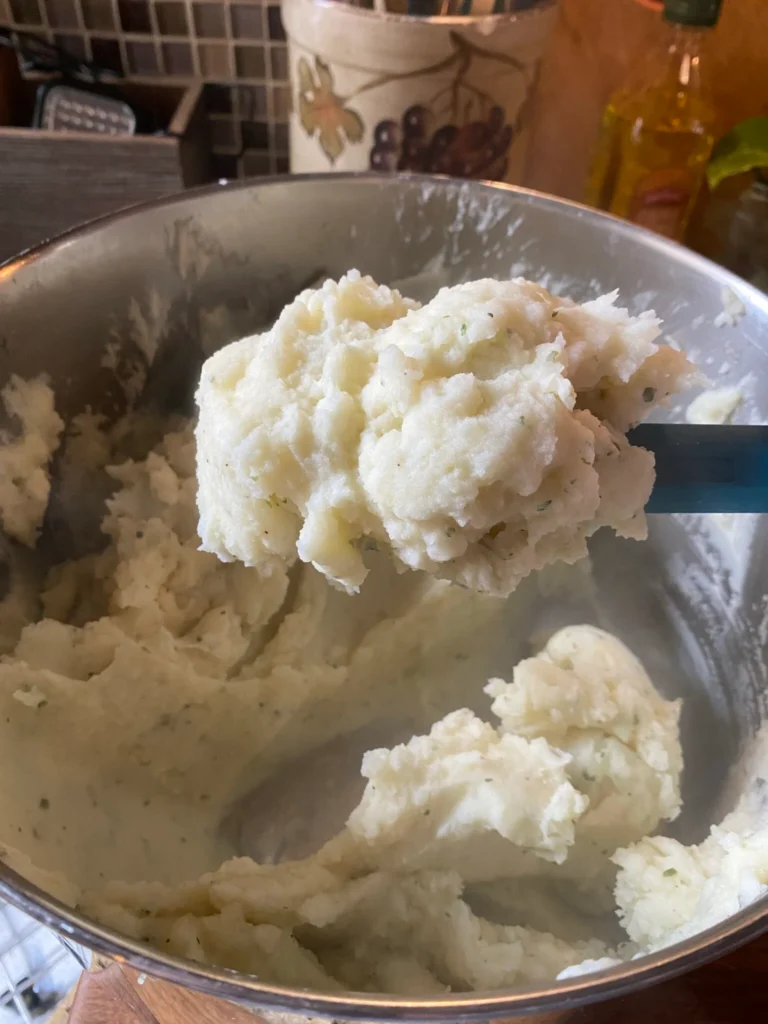
The Creamiest Mashed Potatoes Ever
A beautiful plate of sliced beef with mashed potatoes and gravy is one of my favorite comfort food dinners. My Creamiest Mashed Potatoes Ever are a wonderful choice because they’re rich, fluffy, infused with butter, and perfect for soaking up those delicious pan juices.
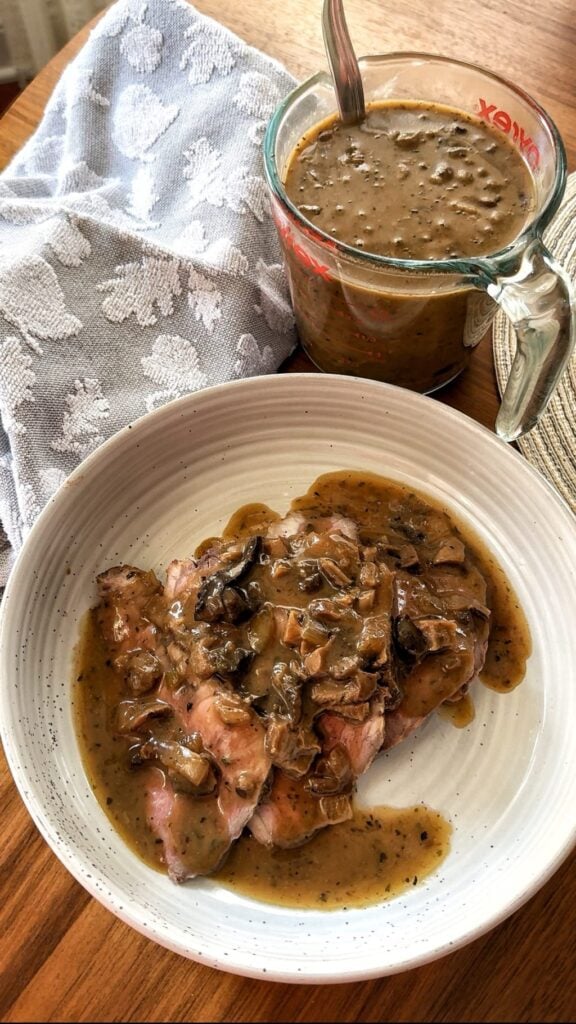
Make Ahead Mushroom Gravy
This gravy is one of my favorite things to serve with the Christmas Beef Roast. It’s rich, savory, and can be made ahead of time, which is especially helpful when you’re juggling several holiday dishes.
A Beautiful Holiday Dinner Without the Big Price Tag
I love making a special dinner for Christmas, but I don’t think a beautiful holiday meal should require spending hundreds of dollars on one piece of meat.
This Holiday Beef Roast is a wonderful example of how a more affordable cut of beef can become perfection with the right seasoning, preparation, and serving method.
Make some mashed potatoes, prepare a delicious gravy, and serve the beef sliced thin on a pretty platter. You’ll have a comforting holiday dinner with plenty of money left over for all the other things that make the season special.
Christmas Beef Roast Recipe
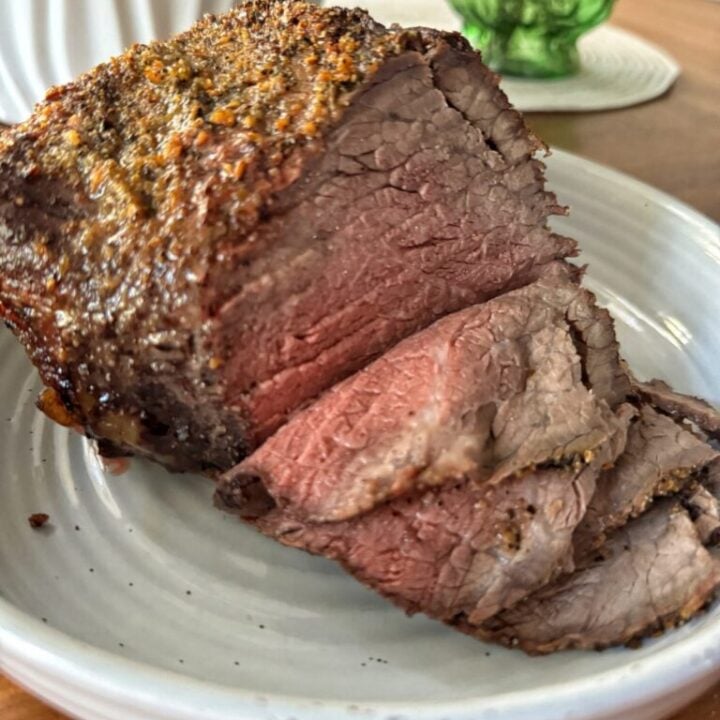
This Christmas beef roast is not only delicious, it is budget friendly. The bottom round roast is seasoned well, oven seared, and then bakes up low and slow revealing a tender and flavorful roast. Serve sliced thin with a mushroom gravy and creamy mashed potatoes. Something special for the holidays with more money left for spreading holiday cheer.
Ingredients
- 3-pound bottom round roast
- 4 to 6 tablespoons Montreal steak seasoning
- 1 tablespoon onion powder
- 2 teaspoons black pepper
- 1 tablespoon dried parsley
- 1/2 tablespoon dried rosemary
- 2 tablespoons grainy brown mustard
- 1 tablespoon soy sauce
- 2 tablespoons cooking oil suitable for high heat
- 2 cups beef broth
Optional Au Jus Thickener
- 1 tablespoon cornstarch
- 3 tablespoons cold water
Instructions
- Remove the bottom round roast from the refrigerator approximately 30 minutes before preparing it.
- In a small bowl, combine the grainy brown mustard and soy sauce. Add the onion powder, black pepper, dried parsley, and dried rosemary. Mix until a thick, evenly seasoned coating forms.
- Pat the roast dry on all sides with paper towels.
- Rub the outside of the roast with the cooking oil.
- Season the bottom and sides of the roast generously with Montreal steak seasoning. If the roast has a fat cap, position it facing down in a small roasting pan.
- Preheat the oven to 475°F.
- Spread the mustard and herb mixture generously over the top of the roast, allowing some of the mixture to extend down the sides.
- Pour two cups of beef broth into the bottom of the roasting pan, being careful not to wash the seasonings off the beef.
- Place the roast into the preheated oven, uncovered, and roast for 20 minutes.
- After 20 minutes, reduce the oven temperature to 375°F. Continue roasting until the beef reaches your chosen internal temperature. I use 20 minutes per pound as a planning guideline after the initial high-heat stage, but actual cooking times vary. Use a meat thermometer rather than relying on time alone.
- For food safety, USDA recommends cooking whole beef roasts to 145°F followed by a rest of at least three minutes. I prefer a rarer approach, removing the roast at 125°F for medium-rare or 135°F for a more cooked result. These temperatures are below the USDA-recommended minimum so you can cook to their standard if you are feeding people who can not have rarer meet or prefer a more cooked roast.
- Remove the roast from the oven and transfer it to a cutting board or platter. Cover loosely with aluminum foil and allow it to rest for approximately 15 minutes.
- Using a sharp knife, slice the beef as thinly as possible against the grain. This helps make the lean bottom round easier to chew.
- To prepare the au jus, transfer the broth and meat drippings from the roasting pan to a saucepan. Skim excess fat if necessary and bring the liquid to a gentle simmer.
- For a slightly thicker gravy, combine one tablespoon of cornstarch with three tablespoons of cold water. Slowly whisk the mixture into the simmering pan juices and cook for approximately one to two minutes until thickened. For a thinner au jus, omit the cornstarch mixture.
- Serve the sliced beef warm with the au jus or Make Ahead Mushroom Gravy and your favorite holiday side dishes.
Notes
Beef: Bottom round is a lean, economical cut that is best served in thin slices against the grain.
Roasting Pan: Use a smaller roasting pan that fits the roast closely to help reduce evaporation of the broth and drippings.
Seasoning: Montreal steak seasoning can be salty. Taste the finished gravy before adding any additional salt.
Mustard: Grainy brown mustard is recommended for the original flavor and texture.
Cooking Oil: Vegetable oil or another oil appropriate for high-heat cooking works well.
Oven Temperature: The original recipe begins at 475°F for 20 minutes and then reduces to 375°F.
Thermometer: Always check the internal temperature of the thickest part of the roast. USDA recommends 145°F with a minimum three-minute rest for whole beef roasts.
Resting: Rest the roast for approximately 15 minutes before carving.
Slicing: Slice very thinly against the grain for the best eating texture.
Gravy: Use the pan drippings for au jus or serve with Make Ahead Mushroom Gravy.
Storage: Refrigerate cooked leftovers promptly and use within three to four days.
Reheating: Reheat leftovers thoroughly to 165°F, preferably with a little broth or gravy to help keep the meat moist.
3 Comments
Anonymous
August 27, 2026 at 2:10 pm
Love your comment about the vegetable oil, lol.
Sheila Doyle
November 22, 2026 at 12:26 pm
We dont like the taste of yellow mustard. What is grainy mustard? Will the coating have a mustardy taste? Thanks!!
April Lee Wiencek
November 22, 2026 at 2:46 pm
No, it won’t be too mustardy. It will be more tangy