
Slow Roasted Pork Belly
Asian Inspired & Versatile
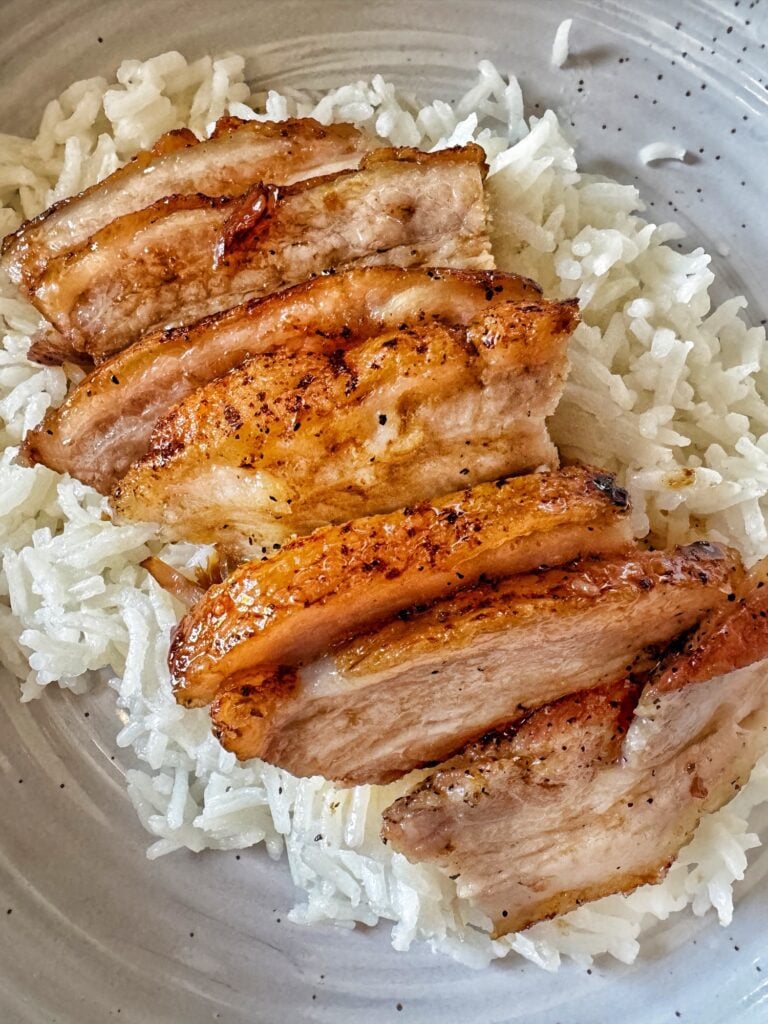
This Slow Roasted Pork Belly is one of those recipes I created years ago and I knew immediately it was a keeper. This recipe starts with a simple sweet and savory marinade made from coconut aminos, brown sugar, honey, and warm spices before the pork belly slowly roasts on a rack so the fat renders while the meat stays tender and juicy until a final blast of heat gives it that golden, crisp top that makes this dish unforgettable.
Aldi does it again! I spotted this pork belly at Aldi and immediately started thinking about what I could make with it.
I was craving something rich and savory to spoon over a bowl of rice and pork belly felt like the perfect choice. This is also great sliced and tucked into little seaweed wrappers like a handheld rice bowl.
You can add sautéed Chinese vegetables or keep it simple with broccoli, peppers, and onions on the side.
Using The Marinade
You can take the leftover marinade and simmer it on the stove until it thickens. Add a small cornstarch slurry if needed.
Because the pork belly was marinated in it, the marinade must be fully cooked. Simmering it for several minutes is important before using it as a sauce.
Once the pork belly is roasted, cut it into bite size pieces and toss it with the cooked down marinade for an easy appetizer or keep it warm in a slow cooker for serving.
If you plan to use the leftover marinade as a sauce, be sure to simmer it fully before serving since it was used to marinate raw meat!!!
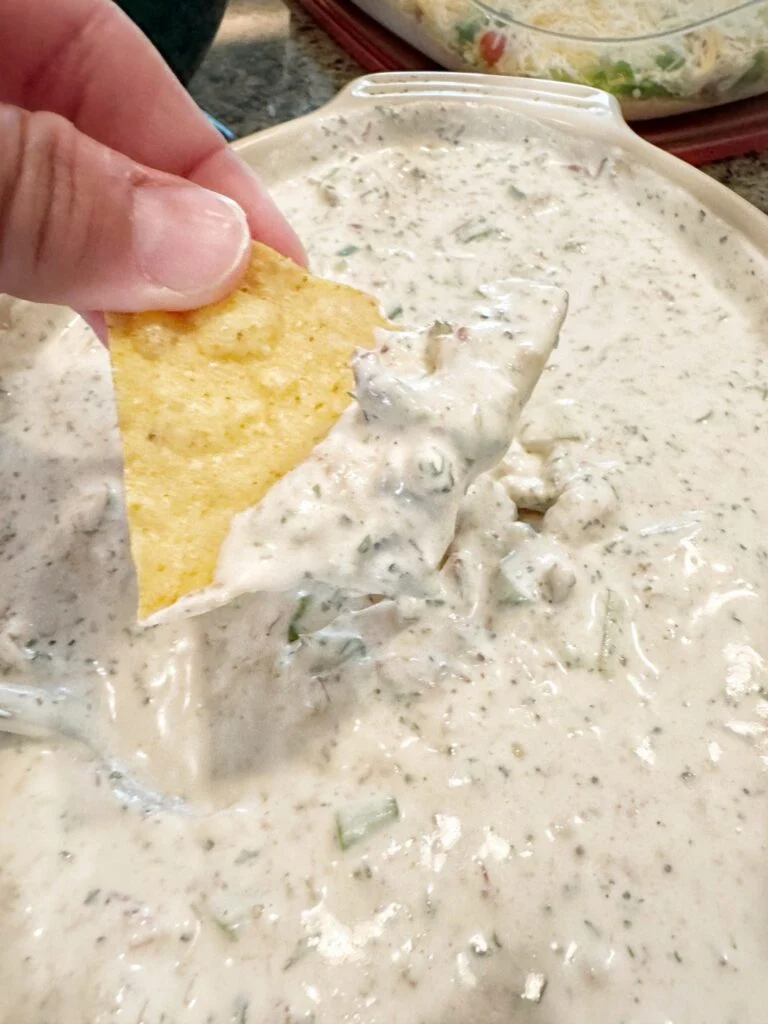
Burnt Ends Dip
This pork belly would also be incredible used in my burnt ends dip and adds a fun, Asian-inspired twist to that recipe. The sweet and savory flavors from the coconut aminos, ginger, and honey pair perfectly with the richness of the dip.
You can swap this pork belly in for the meat or mix it in for extra flavor, and I will link the Burnt Ends Dip recipe.
You should try it both ways.
Bragg Coconut Aminos
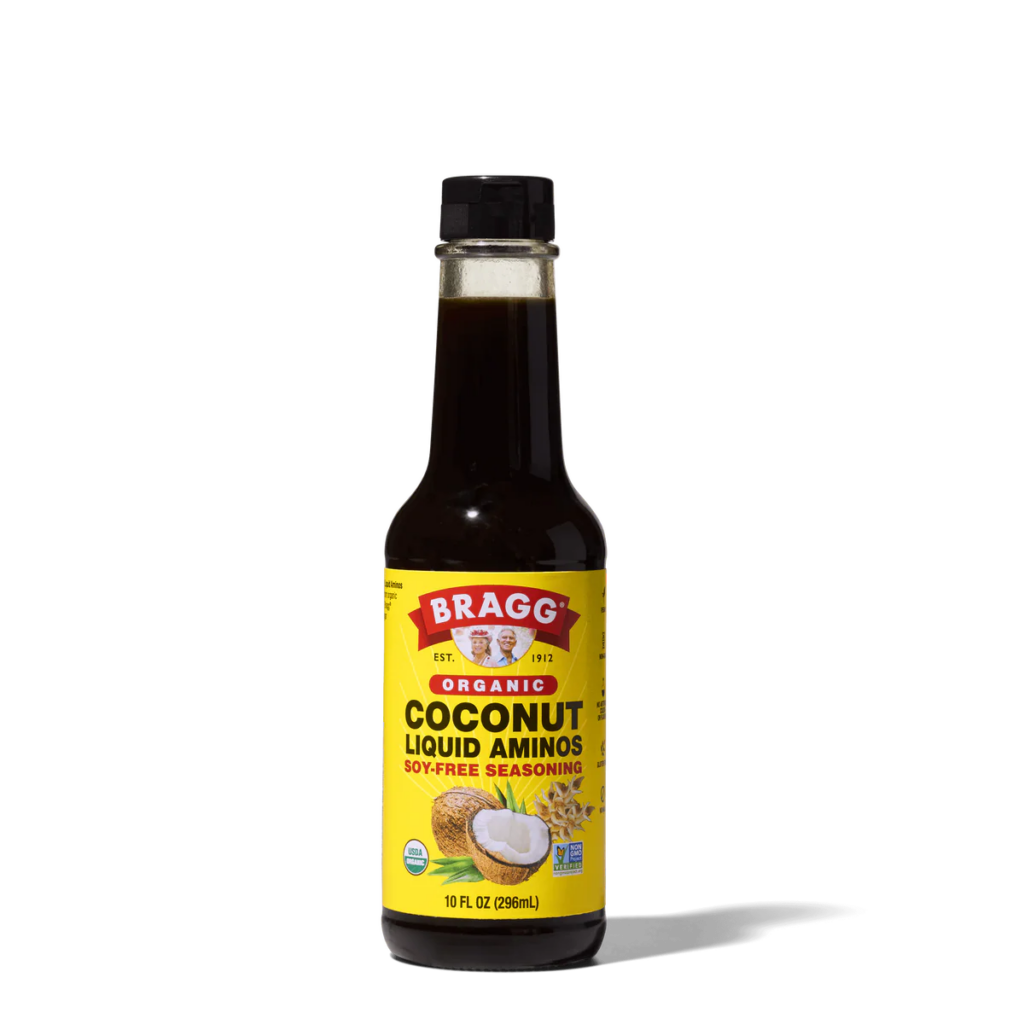
Coconut aminos are a soy free alternative to traditional soy sauce and have a slightly sweeter, less salty flavor. I like to use Bragg coconut aminos because the flavor is balanced and not overpowering, which works especially well in marinades like this one.
It gives you that savory depth without overwhelming the dish or making it too salty. Not an ad, just a product I like.
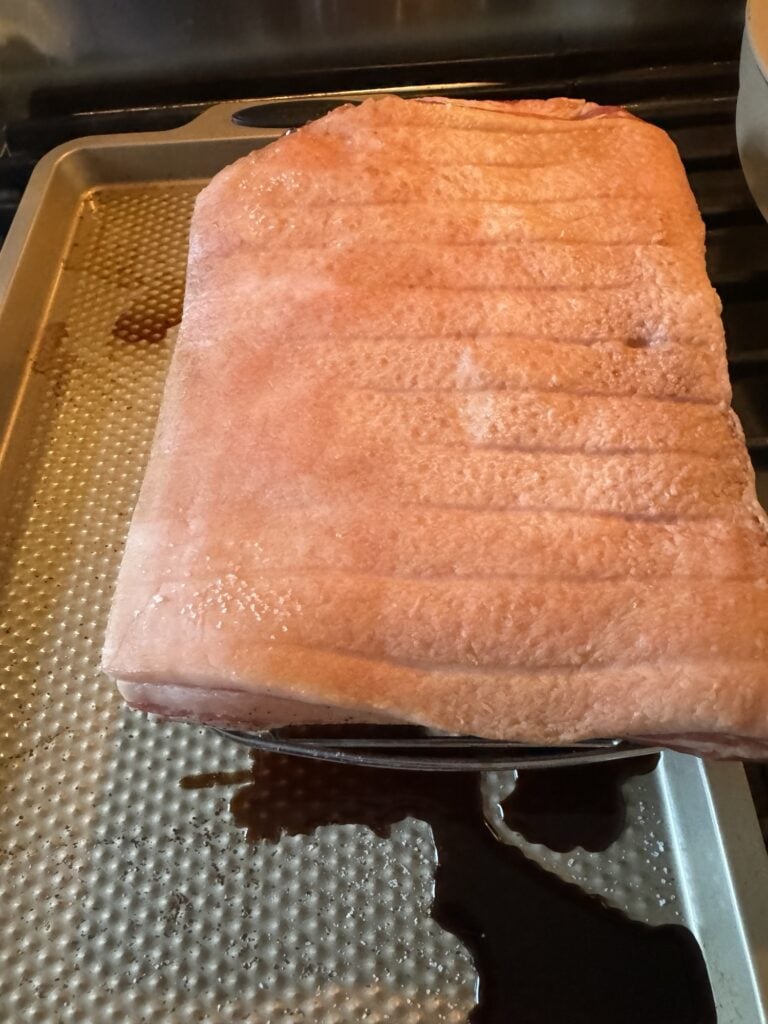
Finding Pork Belly
If you cannot find pork belly, there are a few other pork cuts that work well with this same marinade and cooking method. Pork shoulder or pork butt are great options because they have enough fat to stay tender during a slow roast, though they will not get the same crisp top.
Thick cut bone-in pork chops or a pork sirloin roast can also be used, but they cook faster and should be roasted just until tender. The flavors in this recipe work beautifully with any of these cuts, even if the texture is slightly different.
Here’s how to adjust for other cuts:
- Pork shoulder or pork butt: Roast at 300 degrees for about 3 1/2 to 4 hours, until fork tender.
- Bone-in thick cut pork chops: Roast at 325 degrees for about 45 to 60 minutes, depending on thickness.
- Pork sirloin roast: Roast at 325 degrees for about 60 to 75 minutes, until just cooked through.
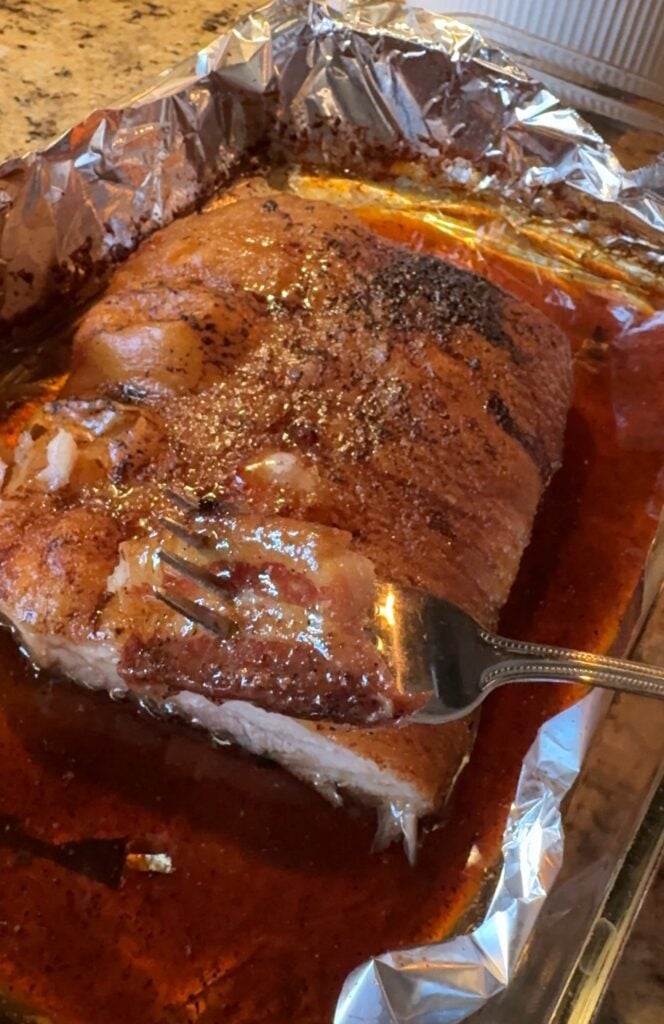
Slow Roasted Pork Belly Recipe
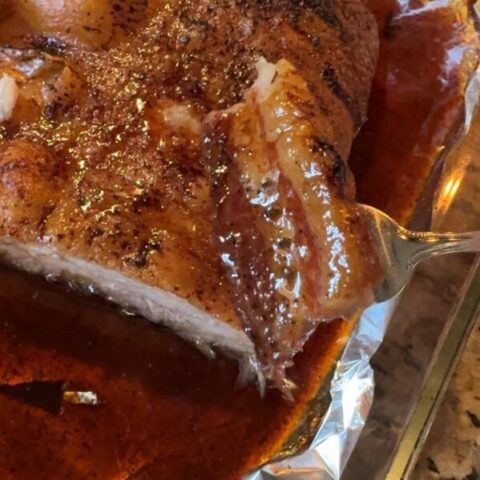
This slow roasted pork belly starts with a scored fat cap and a sweet and savory rub made with coconut aminos, brown sugar, honey, and warming spices. The pork belly marinates overnight with rice wine vinegar and ginger, then roasts low and slow on a rack so the fat renders while the meat stays tender. A final blast of high heat creates a beautifully golden, crisp top that slices perfectly once rested.
Ingredients
- FOR THE PORK BELLY:
- 1 pork belly, 4 to 5 pounds, skin on
- 2 tablespoons coconut aminos or soy sauce
- 1 tablespoon rice wine vinegar
- 2 tablespoons brown sugar
- 1 teaspoon white pepper
- 1 teaspoon black pepper
- 1 teaspoon kosher salt
- 1 teaspoon garlic powder
- 1 teaspoon powdered ginger
- 1 to 2 tablespoons honey
- FOR THE MARINADE:
- 1/2 cup coconut aminos or soy sauce
- 2 tablespoons rice wine vinegar
- 2 tablespoons brown sugar
- 1 tablespoon honey
- 1 teaspoon powdered ginger
- 1/2 teaspoon garlic powder
- 1/2 teaspoon black pepper
- 1/4 cup water
Instructions
- Pat the pork belly dry and score the fat cap in a crosshatch pattern, cutting through the fat but not into the meat.
- In a small bowl, mix the coconut aminos, rice wine vinegar, brown sugar, honey, white pepper, black pepper, salt, garlic powder, and powdered ginger, then rub the mixture all over the pork belly, working it into the scored fat.
- Whisk together the remaining coconut aminos, rice wine vinegar, brown sugar, honey, powdered ginger, garlic powder, black pepper, and water to make the marinade.
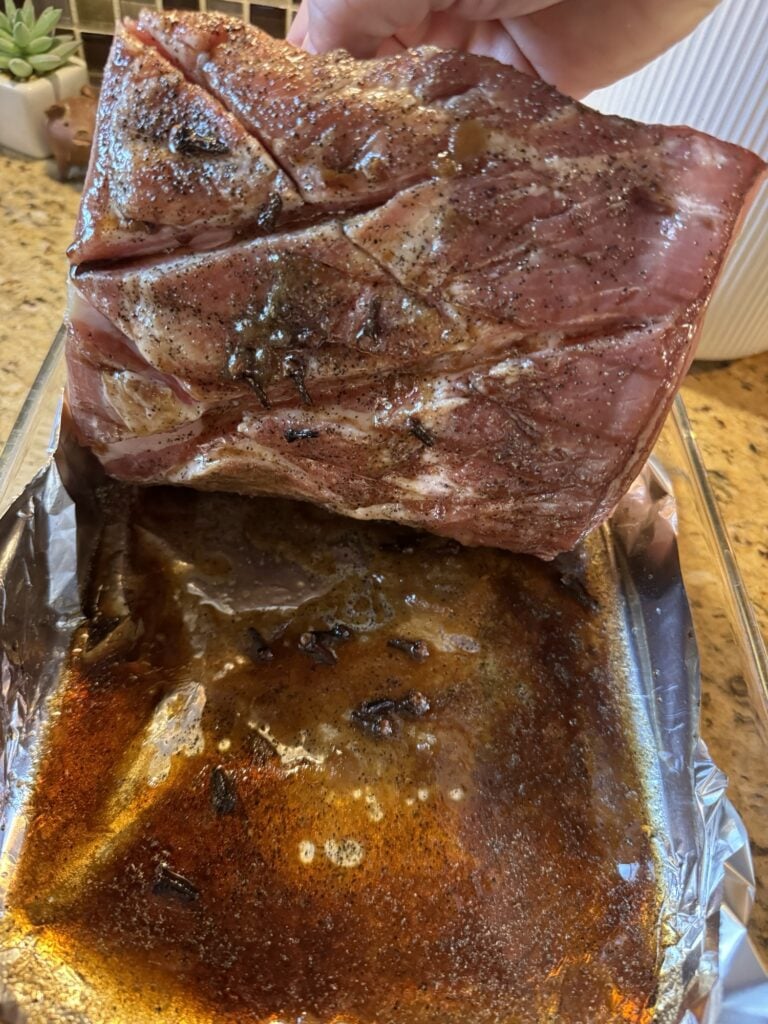
- Place the pork belly meat-side down in a baking dish and pour the marinade around it so the meat sits in the liquid while the fat cap stays mostly exposed.
- Cover and refrigerate for at least 8 hours or up to 24 hours, turning once if possible.
- Remove the pork belly from the refrigerator about 45 minutes before cooking to take the chill off.
- Preheat the oven to 300 degrees and place the pork belly on a rack set inside a foil lined baking dish, pouring the marinade into the bottom of the dish.
- Roast uncovered for 2 1/2 to 3 hours until the pork is tender and the fat has rendered.
- Increase the oven temperature to 425 degrees and roast for an additional 20 to 30 minutes until the top is deeply golden.
- Remove from the oven and let rest for at least 20 minutes before slicing.