
Cucumber Tomato and Sweet Onion Salad With Italian Dressing

The Summer Salad I Have Been Craving
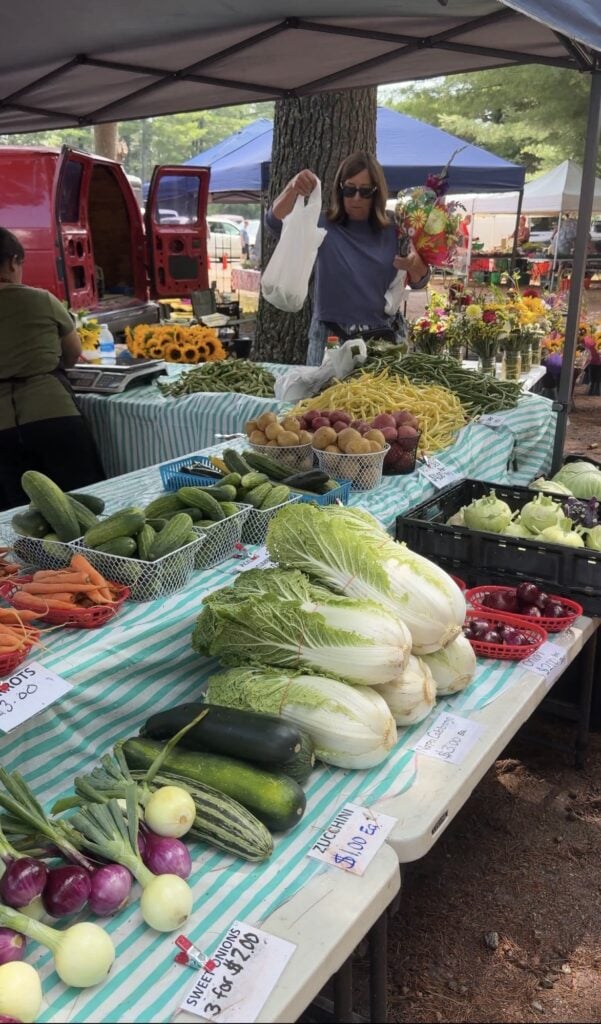
Sometimes you don’t realize you’ve been craving something until you finally eat it. We were having some friends over for steak, and earlier in the day we had gone to one of our local flea markets. One of my favorite things about these markets in the summer is that there are farm stands everywhere. You can find gorgeous tomatoes, cucumbers, onions, herbs, and some of the most beautiful flower arrangements.
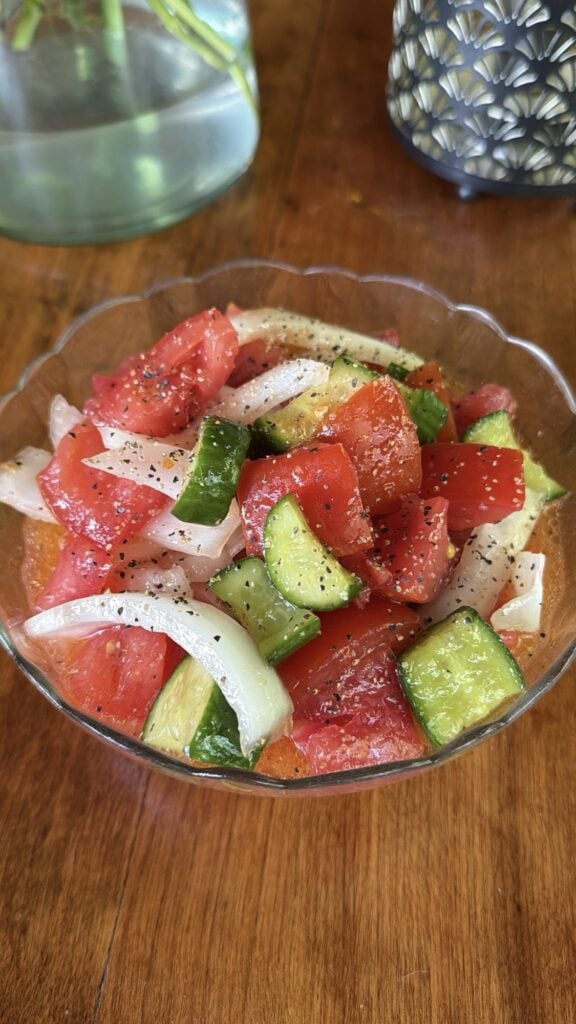
I came home with tomatoes, mini cucumbers and one enormous sweet onion, and immediately knew exactly what I wanted to make.
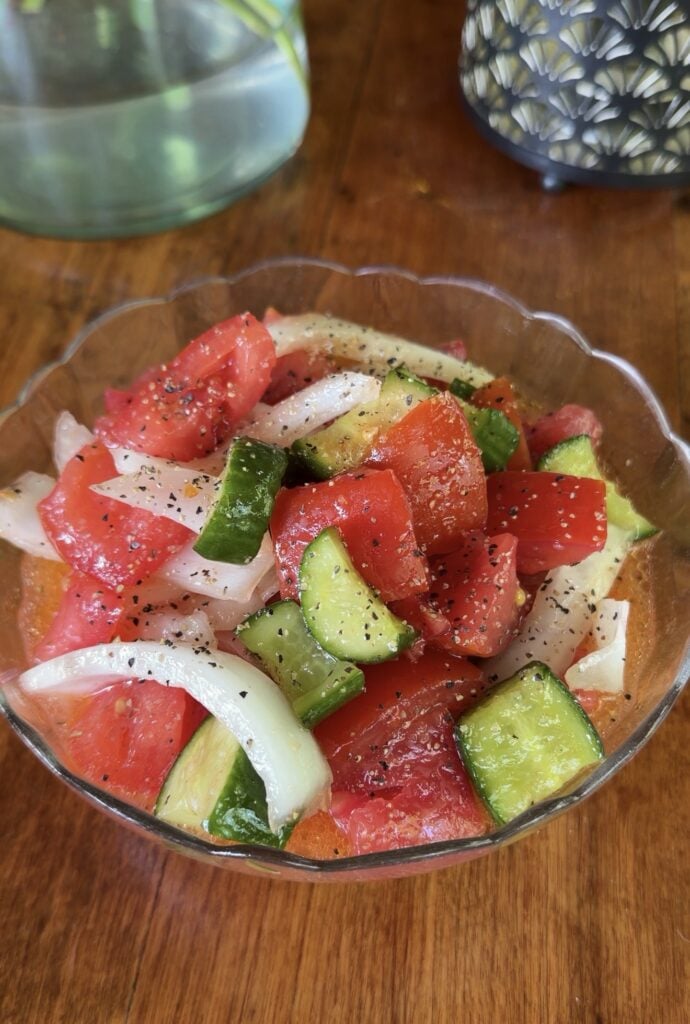
A very simple cucumber, tomato, and onion salad.
Nothing revolutionary. Nothing fancy. Just one of those old-fashioned summer salads that tastes approximately 4,000 times better when the vegetables actually taste like vegetables.
I recently learned more about something I had noticed for years at farmers markets throughout this part of the Midwest. Many of the growers selling beautiful vegetables, herbs, and flowers at these markets are Hmong farmers.
History Of The Hmong
Hmong refugees began resettling in the Upper Midwest in the mid-1970s following the wars in Southeast Asia. Many Hmong people had lived in Laos, where agriculture and growing food were deeply rooted parts of everyday life. After the United States withdrew from the region, many fled Laos, with some spending years in refugee camps in Thailand before eventually resettling in the United States. Wisconsin’s first Hmong refugee families arrived in 1976.
I was told that farming became one way some Hmong families established themselves in their new communities. In Minnesota, there were programs that began working with Southeast Asian refugee families in the early 1980s to help them adapt their farming knowledge to Midwestern growing conditions and markets. This is why you see Hmong farmers at farmers markets throughout Minnesota and Wisconsin.
That tradition continues today. Wisconsin Extension provides small-farm resources and programming in both Hmong and English, and Hmong growers continue to be an important part of the local food system. I work a lot with the Wisconsin agricultural community through my work with the Wisconsin Maple Syrup Producers Association so I am always happy to learn more about Wisconsin agriculture.
One thing I always notice in addition to the produce is the flowers. The arrangements at these stands are absolutely gorgeous. I can go to the market telling myself I am there for a cucumber and somehow leave carrying vegetables, onions, and a bouquet approximately the size of my head!

Let’s Talk About These Onions
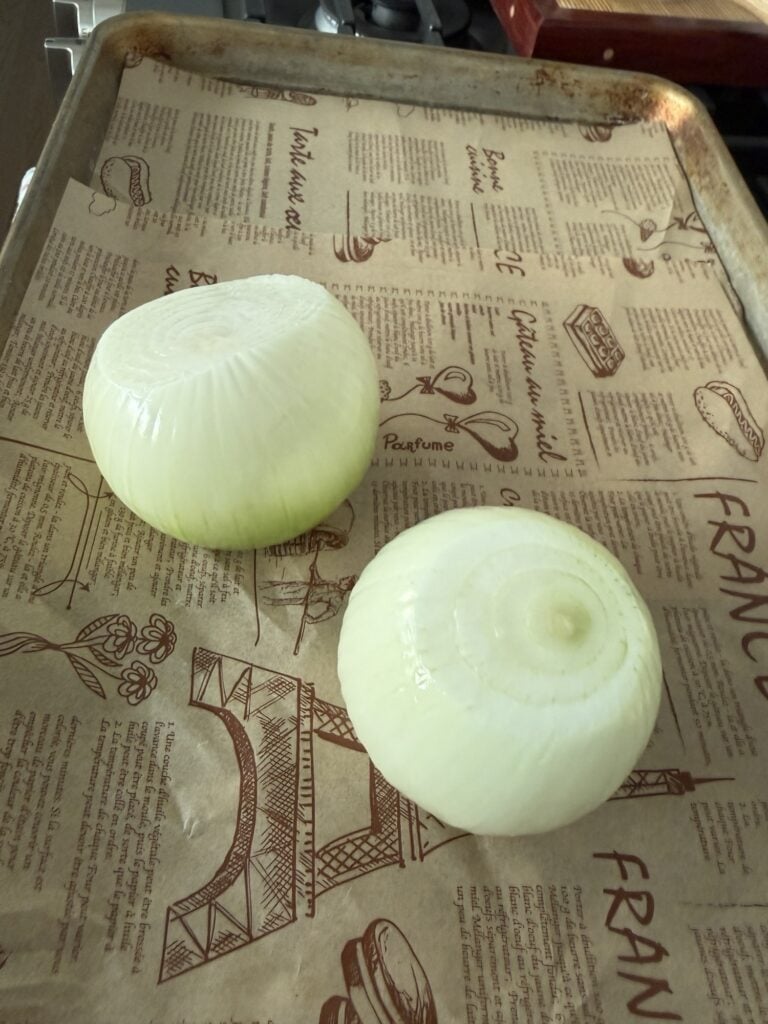
The vegetable that really inspired this particular salad was the onion.
I cannot properly express to you how good these onions are.
They are sweet onions, but even calling them a sweet onion doesn’t quite describe them. You can bite into a piece raw and it is crisp, juicy, slightly sweet, and savory. The texture almost reminds me of biting into an apple.
This is completely different from my recent onion experiences at the grocery store.
I will buy a bag of six or eight onions, get them home, and discover that half are already rotten somewhere inside. The ones that aren’t rotten can be so pungent that my eyes are pouring before I’ve finished cutting one. Sometimes the flavor is so aggressive that it takes over whatever I am cooking.
I’ve actually stopped putting onions in a few recipes where I used to always use them because I’ve been so disappointed in them.
It has been an awful onion experience.
Why Are Some Onions Sweet and Others So Pungent?
An onion’s pungency is largely connected to sulfur compounds. When you cut into an onion, you damage its cells and trigger chemical reactions that create the volatile compounds responsible for that sharp onion aroma, flavor and, of course, the crying. Many different things can alter an onions flavor. Variety, growing conditions, maturity, and storage can all influence the final eating quality of an onion.
Another interesting thing about onions is that if your knife is dull, you will also damage the cells more and your onion will make you cry more!
Sweet onions are varieties selected and grown for a milder flavor.
So while I can’t tell you exactly what variety my market growers are planting without asking them, I can tell you that these fresh sweet onions are in another universe from some of the onions I’ve been bringing home from the grocery store.
Next time I go, I’m asking what they’re called. I wish I had a cellar to store a ton of these in!
Fresh Vegetables Don’t Need Much Help
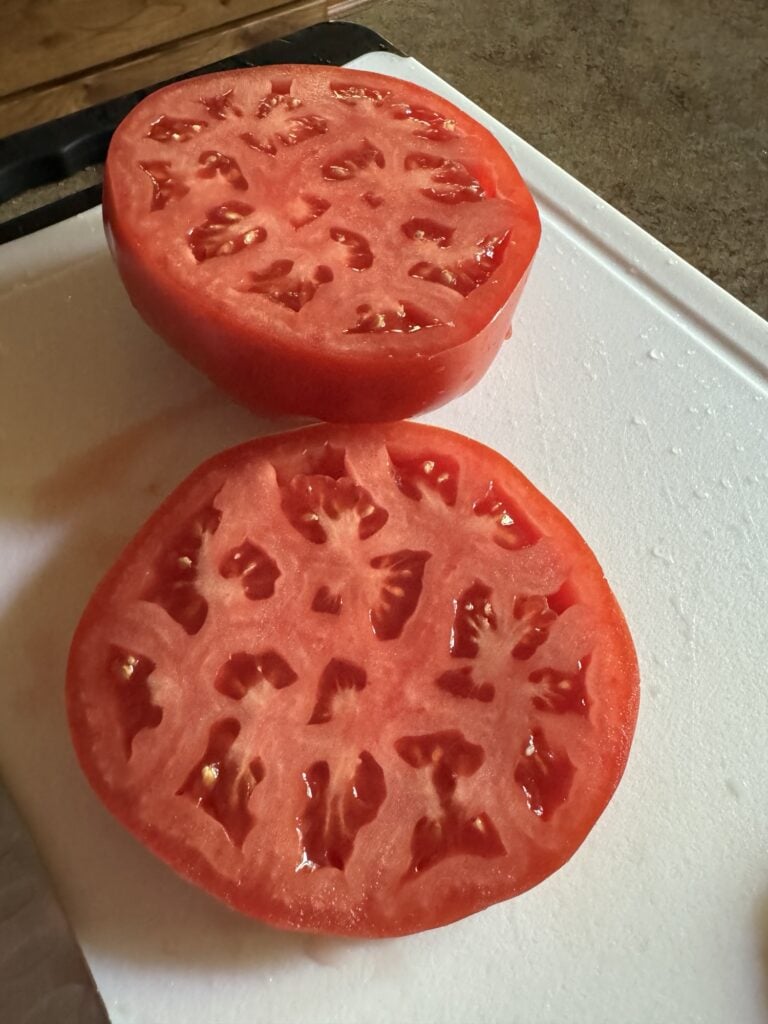
The tomatoes I bought were equally beautiful. They were big beefsteak-style tomatoes that were perfectly ripe but still slightly dense.
That’s what you want for this recipe.
You don’t want a hard, underripe tomato, but you also don’t want one so ripe that it disintegrates when you cut it. The tomatoes need to survive several hours sitting in dressing.
I don’t seed them, either.
Those tomato juices become part of the salad. As everything sits, the tomato juice combines with the Italian dressing, onions, and cucumbers and makes this incredible liquid at the bottom of the bowl.
The Easy Italian Dressing
The dressing is my little shortcut.
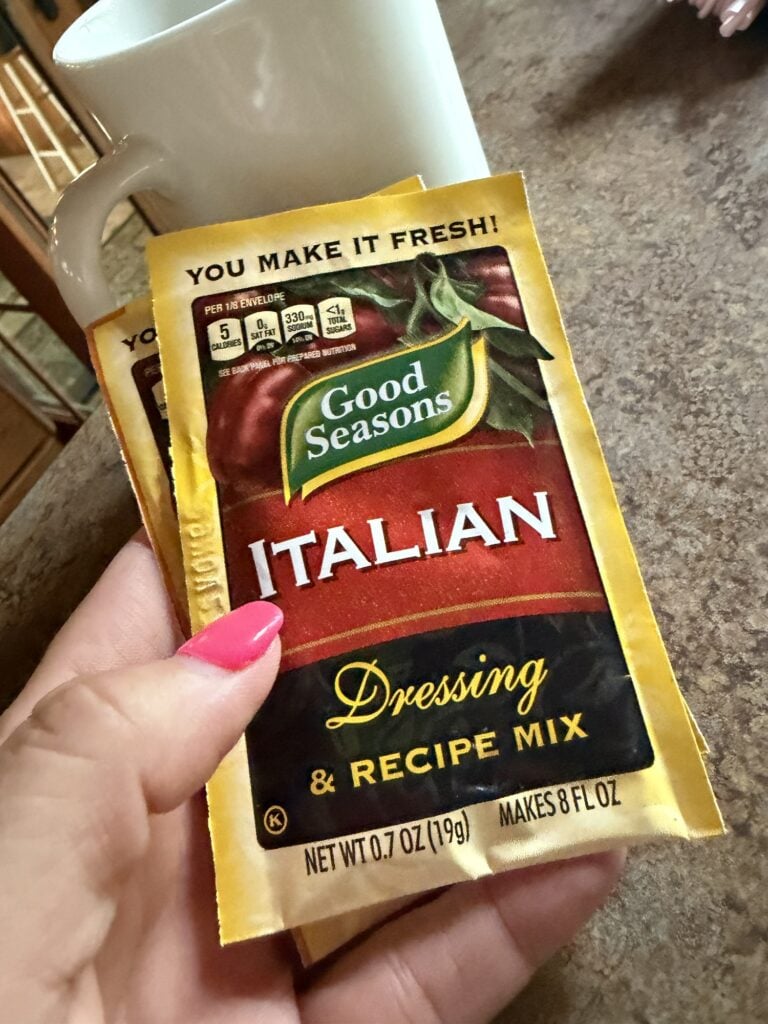
I use two packets of Good Seasons Italian dressing mix, but there is an important distinction here: I only make ONE packet according to the package directions.
For that packet, I use rice vinegar instead of the suggested vinegar and avocado oil instead of a heavier or strongly flavored oil.
Then I add the entire second packet of dry seasoning to that prepared dressing.
This gives you a much more flavorful dressing without adding another full batch of oil, vinegar, and water.
I also add dried dill and plenty of black pepper.
The resulting dressing is tangy, herby, and highly seasoned, which is exactly what you need because the vegetables are going to release quite a bit of liquid while they sit.
Why You Should Make This Salad Ahead
This is not really a mix-it-and-immediately-eat-it salad.
You can. Nobody is going to arrest you.
But you’re missing the best part.
Give it at least four hours in the refrigerator.
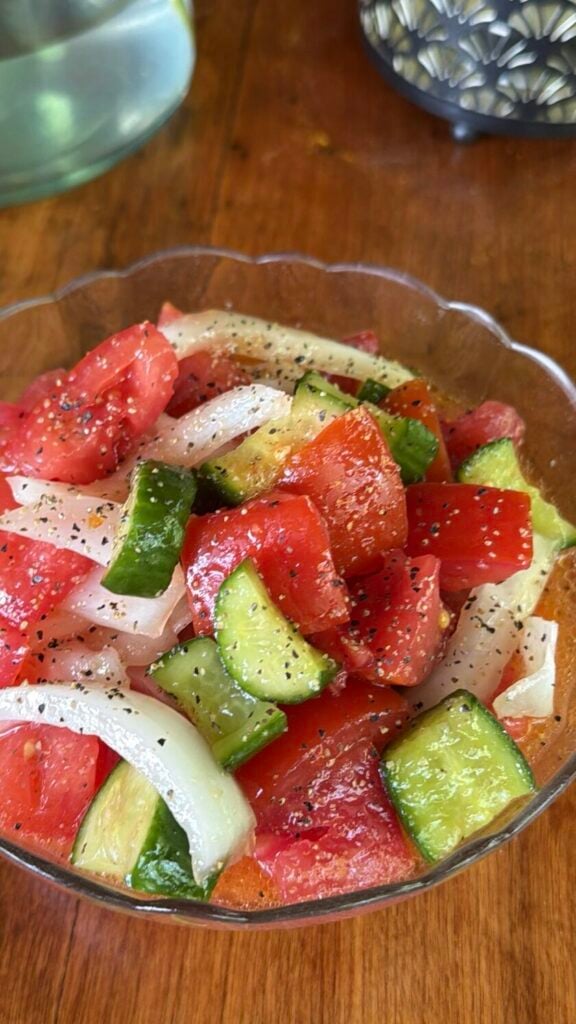
During that time, the onions soften slightly while still keeping their crunch, the cucumbers absorb the seasoning, and the tomatoes release their juices into the dressing.
The entire thing becomes one big bowl of summer.
It’s even better the next day.
That also makes this an excellent recipe when you’re having people over. I made mine earlier in the day, put it in the refrigerator, and didn’t have to think about the side dish again when it was time to make the steaks.
Don’t Add More Salt Too Soon
This is probably my most important tip for this recipe.
When you first toss everything together, taste it if you want, but do not immediately start dumping more salt into the bowl because you think it needs it.
Let the salad sit.
The Italian dressing mix already contains salt and seasoning, and as the vegetables sit and release moisture, the flavor of the entire salad changes.
I prefer to wait until right before serving, toss everything again, taste it, and THEN decide whether it needs more salt.
This also keeps you from over-salting vegetables that are going to continue releasing water as they sit.
What To Serve With Cucumber Tomato and Onion Salad
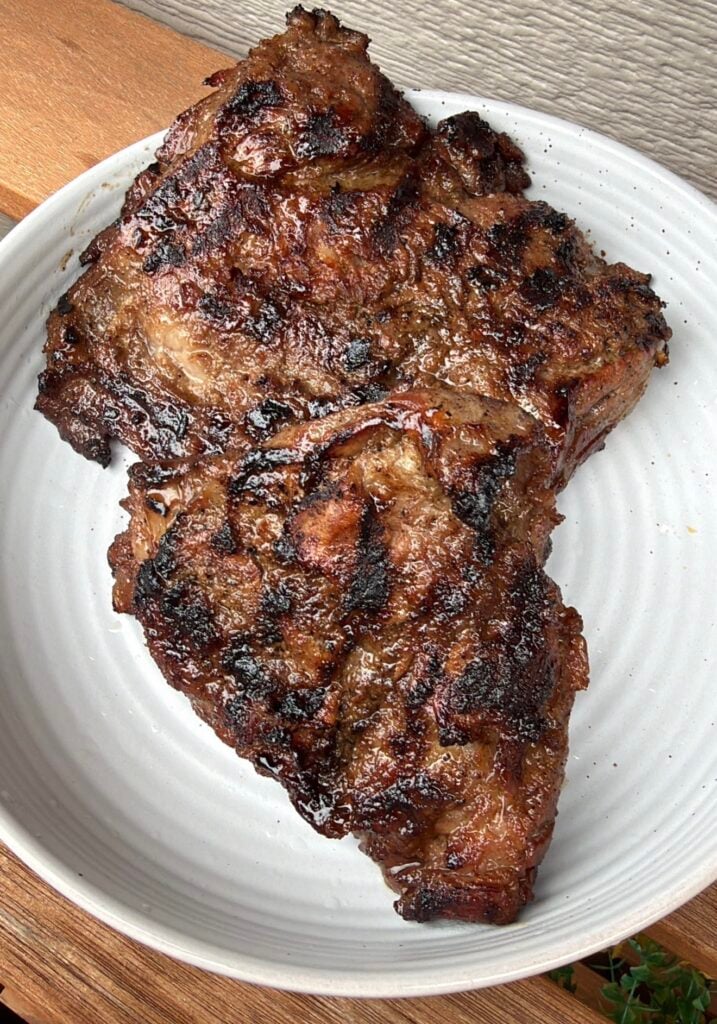
I originally made this to go alongside steaks, and it was exactly what I wanted with a rich piece of beef. The cold, tangy vegetables balance a heavier grilled dinner really well.
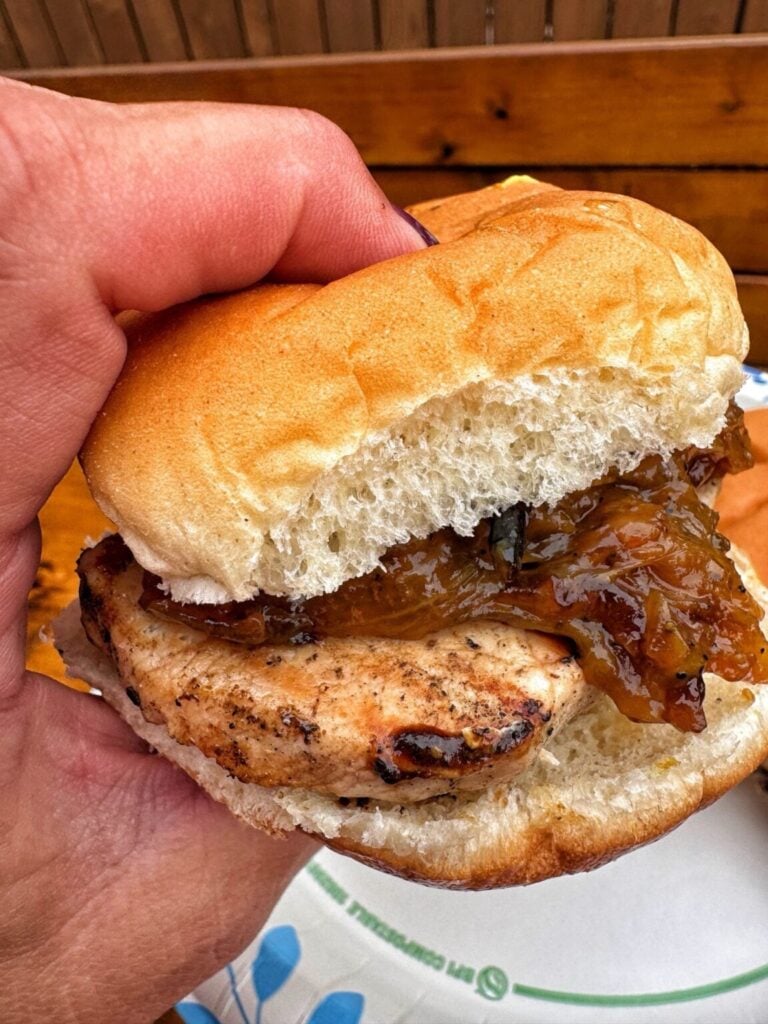
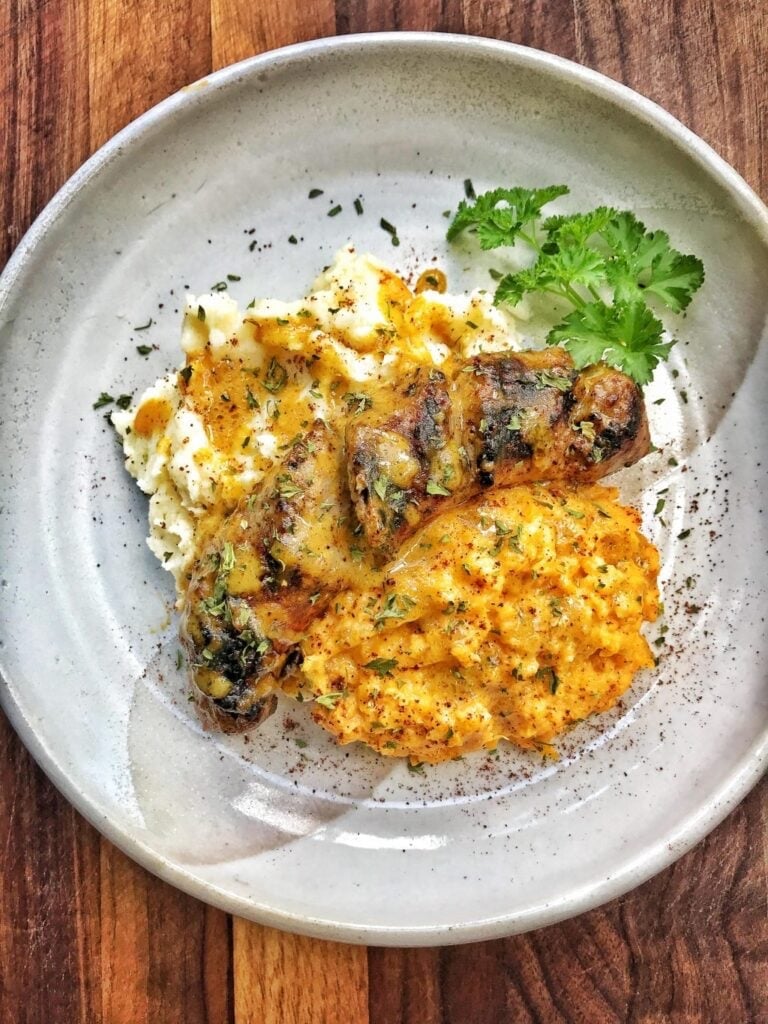
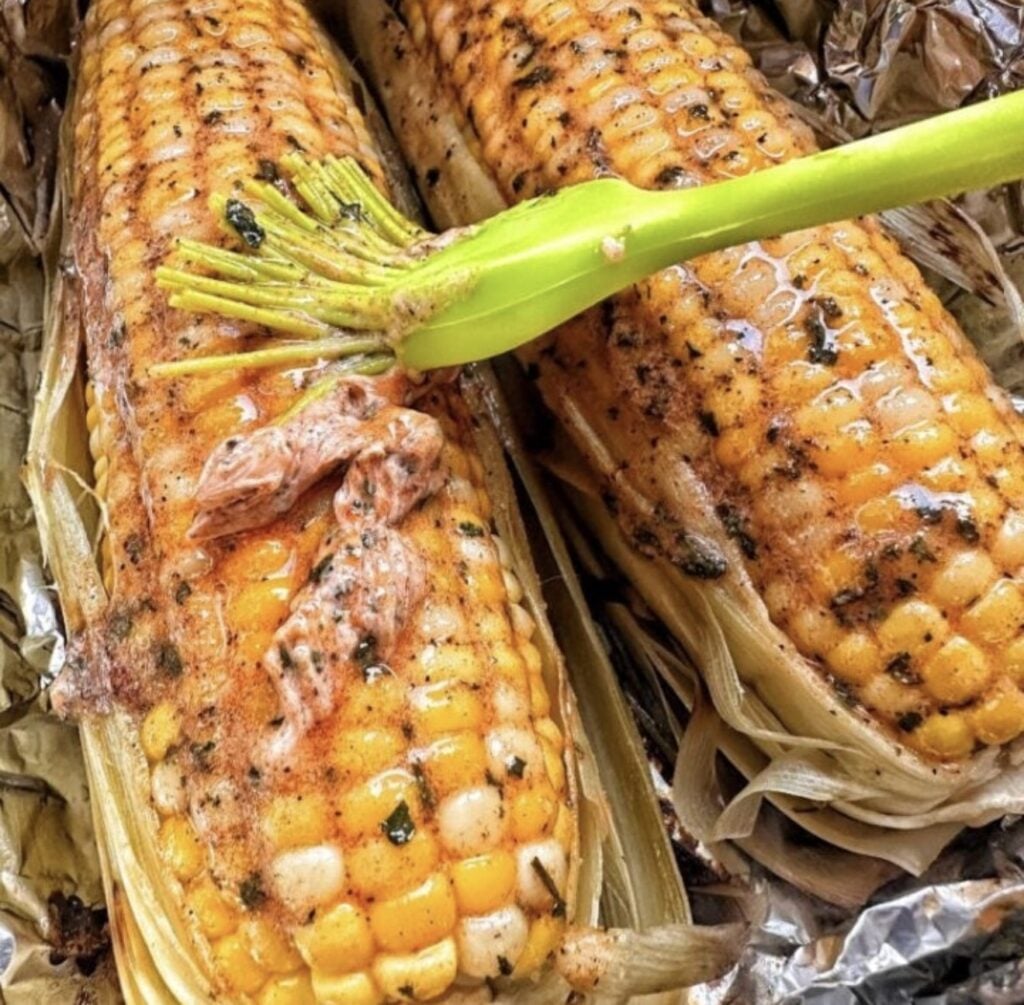
It would also be great with grilled chicken, pork chops, burgers, brats, Italian sausage, barbecue chicken, or ribs. I also think it belongs on just about every summer buffet where there are grilled meats, potato salad, and corn on the cob involved.
And if there is some of this left the next day?
Put a big spoonful next to a sandwich for lunch and call it a day.
You can click the images below to see the recipes for these recommended pairings.

Tips For The Best Cucumber Tomato and Onion Salad
- Use the best vegetables you can find. There are very few ingredients here, so you will taste the difference.
- Choose ripe but firm tomatoes. You want juicy tomatoes that will still hold their shape after marinating.
- Don’t seed your tomatoes. Their juices add flavor to the dressing.
- Use mini cucumbers if possible. They stay beautifully crisp and don’t usually require peeling or seeding.
- Use a genuinely mild sweet onion. This is a raw onion salad, so this isn’t the place for an aggressively pungent onion.
- Make it at least four hours ahead. The waiting is part of the recipe.
- Wait before adding additional salt. Taste and adjust shortly before serving.
- Save the leftovers. The salad is fantastic the next day.
A Simple Summer Salad Worth Making
The funny thing about this recipe is that the vegetables were so good that I probably could have put them in a bowl without any dressing at all and happily eaten them.
That’s what I love about this time of year.
When tomatoes actually taste like tomatoes, cucumbers are crisp and juicy, and you find an onion so good that you’re standing in your kitchen eating pieces of it raw like it’s an apple, you really don’t need to do much.
A little tangy Italian dressing, dill, and black pepper just bring everything together.
And now I have another problem.
I need to go back to the market and buy about twelve more of those onions.
Cucumber Tomato and Sweet Onion Salad With Italian Dressing Recipe
Fresh tomatoes, crisp cucumbers, and sweet onions are tossed in a zesty Italian dill dressing for an easy summer salad that gets even better as it chills. This is the perfect make-ahead side dish for steak, grilled meats, burgers, or just about anything coming off the grill.
Ingredients
For the Salad
- 3 large beefsteak tomatoes, ripe but still firm
- 8 mini cucumbers
- 1 very large sweet onion
For the Dressing
- 2 packets Good Seasons Italian Salad Dressing & Recipe Mix
- Rice vinegar, amount called for on one dressing packet
- Avocado oil or another clean-tasting oil, amount called for on one dressing packet
- Water, amount called for on one dressing packet
- 2 teaspoons dried dill
- 2 teaspoons black pepper
- Salt, to taste, if needed
Instructions
- Cut the tomatoes into generous bite-sized chunks. There is no need to seed the tomatoes. I leave most, if not all, of the seeds and juices because they become part of the dressing as the salad sits.
- Cut the mini cucumbers into bite-sized pieces.
- Peel the sweet onion, cut it into slices, and separate the slices into pieces.
- Add the tomatoes, cucumbers, and onion to a large bowl.
- Prepare one packet of the Good Seasons Italian dressing according to the package directions, using rice vinegar for the vinegar and avocado oil or another mild, clean-tasting oil for the oil.
- Add the second dry packet of Good Seasons seasoning to the prepared dressing. Add the dill and black pepper and whisk very well.
- Let the dressing sit for a few minutes, then whisk it again so the dry seasonings have a chance to hydrate and incorporate into the dressing.
- Pour the dressing over the vegetables and gently toss everything together.
- Cover and refrigerate for at least 4 hours before serving. Give the salad another gentle toss before serving and taste for salt.
- Add additional salt only if needed just before serving.
Recipe Notes
- This salad is even better the next day. As it sits, the tomatoes release some of their juice and mingle with the seasoned dressing.
- Do not be tempted to heavily salt the salad immediately after assembling it. The flavors will change considerably after several hours in the refrigerator, so taste it again just before serving and adjust the salt then.
- Use tomatoes that are ripe and flavorful but still slightly dense and firm. Very soft tomatoes can become mushy as the salad marinates.
- I prefer mini cucumbers because they stay crisp and don't usually need to be peeled or seeded.
- The quality of the onion makes a surprisingly big difference here. Look for a fresh, mild sweet onion that tastes good enough to eat raw.
6 Comments
Susan k Kerkstra
August 18, 2026 at 4:48 pm
The onions pictured look like Vidalia onions, my favorites. They are only available from about May til maybe September, if you’re lucky!
thetipsyhousewife
August 26, 2026 at 8:44 pm
in the post i explain how they are onions grown by the Hmong in wisconsin, not sure what varietal they are but they were very close tasting to vidalia!
Beth
August 26, 2026 at 8:41 pm
This is the first recipe I’ve actually made from Tipsy (I’ve pinned a couple of dozen but I digress.) This was soooo good. I’m going to make some big croutons to go with it to sop up some of this delicious dressing. Really pleased with how it came out.
thetipsyhousewife
August 26, 2026 at 8:43 pm
thank you so much! i am so happy you enjoyed!
Caitlin
August 31, 2026 at 10:47 pm
I love your recipes and was so looking forward to making this, but the dressing recipe was way too oily for me and my family and I missed the tang of the vinegar. Next time I would use less oil and add more vinegar.
thetipsyhousewife
August 31, 2026 at 10:50 pm
If i am particular about a specific ingredient in a recipe i havent tried, i always add a little at a time and adjust………also there is vinegar in the dressing recipe so I am confused why you didn’t use it? Thanks for loving my recipes.